
As temperatures continue to rise across southern Europe, outdoor workers are facing dangerous and sometimes fatal conditions.
In cities like Barcelona, the summer heat has become unbearable for many, with deadly consequences.
Last month, a 51-year-old street cleaner in Barcelona collapsed and died while working during a severe heatwave.
Labor unions report that a dozen other cleaners in the city have suffered from heatstroke in recent weeks.
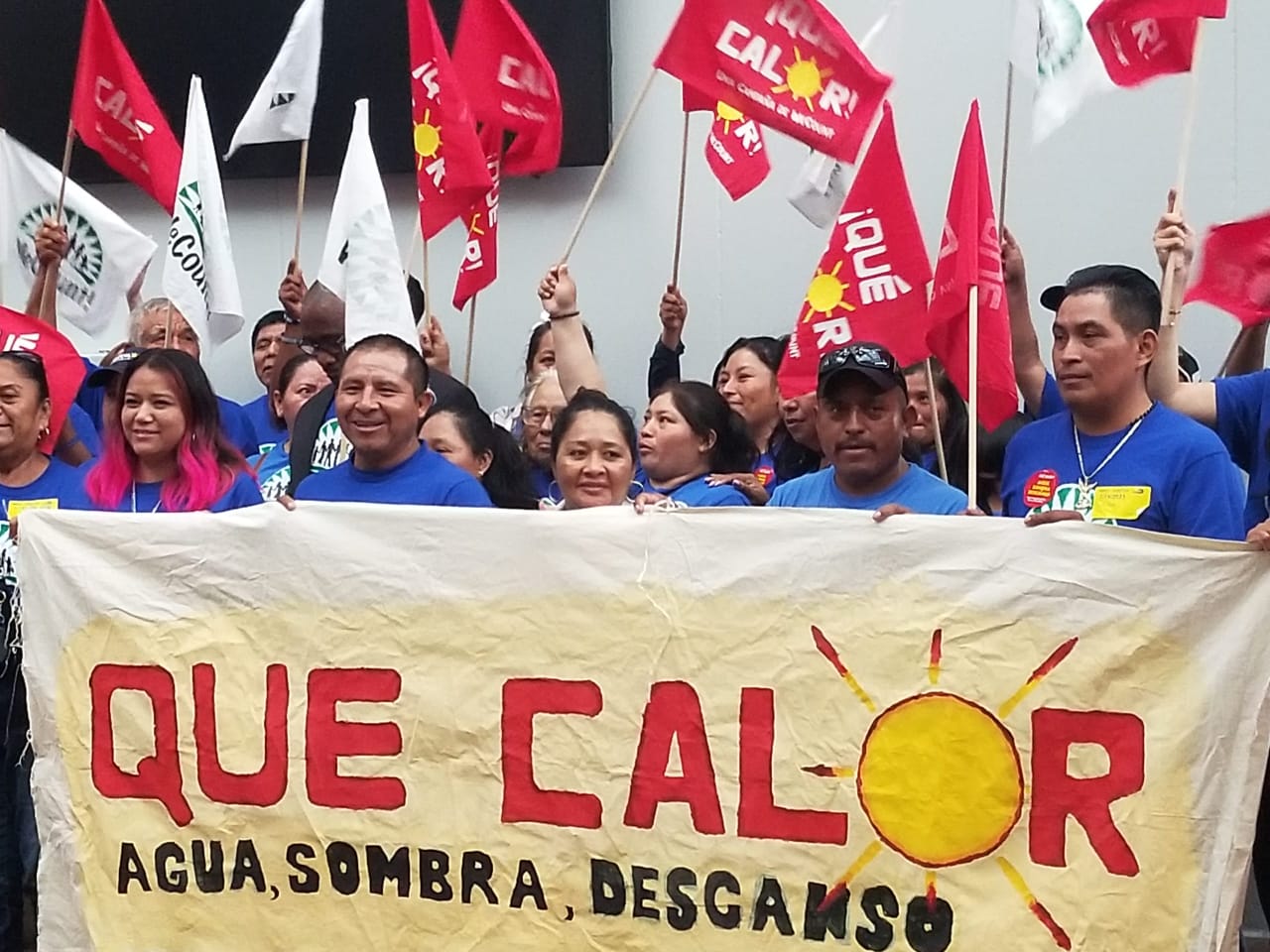
The tragedy has sparked protests, with hundreds of workers and residents marching to demand stronger protections for those exposed to extreme heat.
The Carlos III Health Institute in Spain has linked more than 1,000 deaths in June and July to heat-related causes.
Officials warn that climate change is fueling more intense and frequent heatwaves, putting workers at higher risk.
In response, Barcelona’s local government has issued new guidelines for cleaning companies.
These include breathable uniforms, sun protection gear, and regular water breaks when temperatures exceed 34°C (93°F).
If the heat reaches 40°C (104°F), street cleaning must stop altogether. Despite these rules, workers say little has changed.
They report being penalized for slowing down or resting during high temperatures, and some claim they still buy their own drinking water.
The company that employed the deceased cleaner, FCC Medio Ambiente, has expressed sympathy to the family but has not responded to complaints about working conditions.
In Greece, similar concerns have prompted regulations for outdoor labor during heatwaves.
These include mandatory breaks and guidance to reschedule work away from the hottest parts of the day.
However, labor groups there are asking for year-round safety checks as heat risks grow.
European labor unions and the United Nations’ International Labor Organization are calling for broader efforts to address the health impact of rising temperatures.
They warn that heat stress remains a serious but often overlooked threat to workers’ safety.