
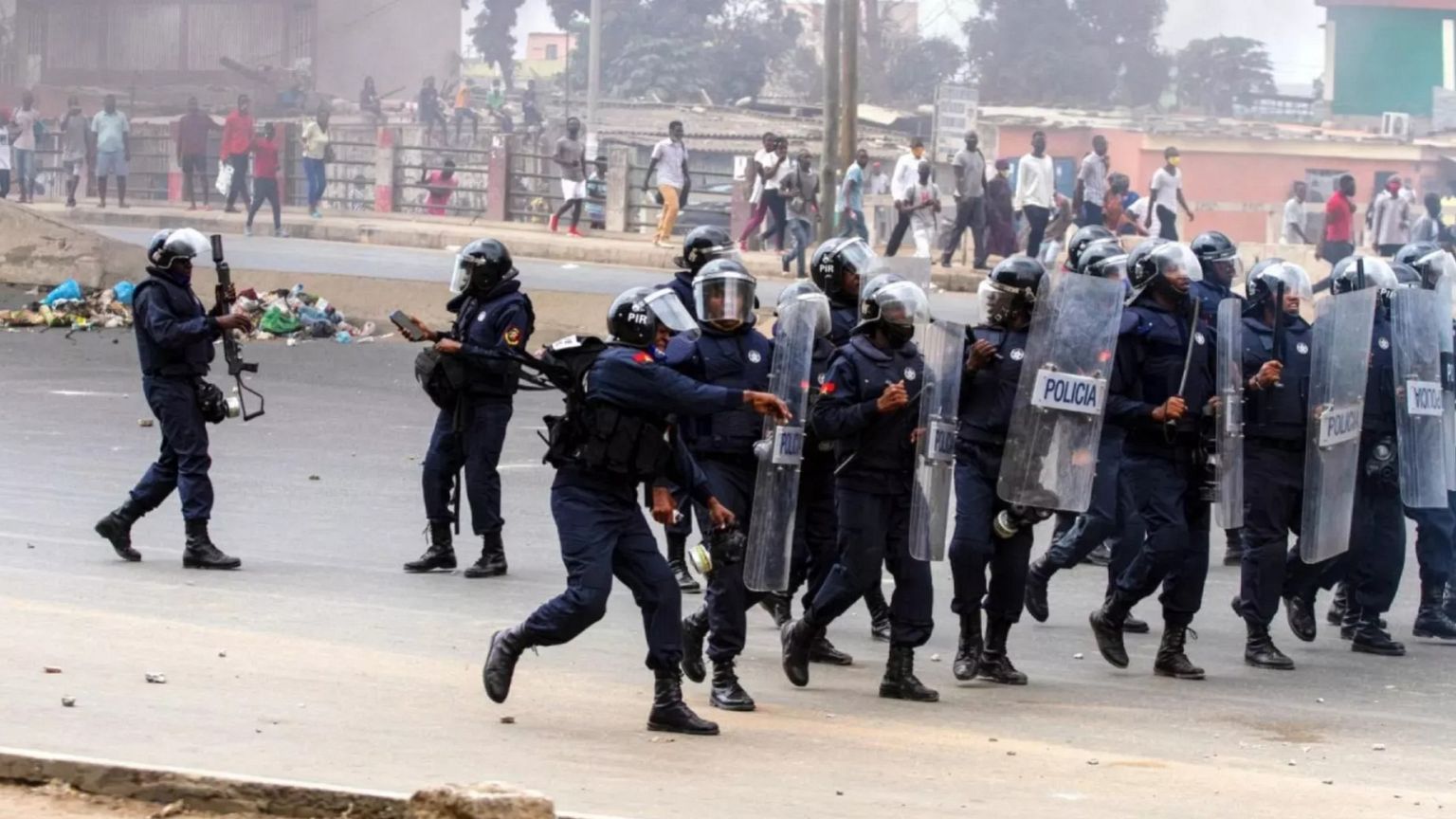
At least four people have died and around 500 others have been arrested during widespread protests in Angola sparked by a sharp rise in fuel prices.
The unrest began in Luanda but has since spread to other cities, including Huambo.
What started as a three-day strike by taxi drivers on Monday quickly grew into mass protests involving thousands.
Roads were blocked, shops were looted, and vehicles were vandalized. Protesters clashed with police in several parts of the capital, with gunfire reported by Monday night.
Angola’s decision to remove fuel subsidies in early July led to a 33% increase in diesel prices. This change has hit ordinary citizens hard, raising public transport fares and the cost of food and basic goods.
Many Angolans rely on shared taxi services for daily commutes, and delivery costs have surged as a result of higher fuel prices.
Protests have continued into Tuesday, with more confrontations between police and demonstrators.
Businesses, including banks and major shops, have remained closed in many areas.
Some public workers have resumed duties, but many private sector employees have stayed home following safety concerns.
A local protest organizer, Laura Macedo, said growing poverty and hunger have pushed people to the streets, with many angry about years of hardship and rising costs.
While the government claims the fuel price remains low by global standards, many citizens feel the rise is unjustified given low wages and high unemployment.
The average salary in Angola is around $75 per month, and a previously promised wage increase has not been delivered.
Angola’s ruling party, MPLA, accused protestors of trying to disrupt upcoming independence anniversary celebrations.
Meanwhile, a main taxi drivers’ union, Anata, denied any link to the violence but said the strike will go on to reflect the frustration of everyday citizens.
Security forces say they will keep patrolling to restore order in affected areas.