
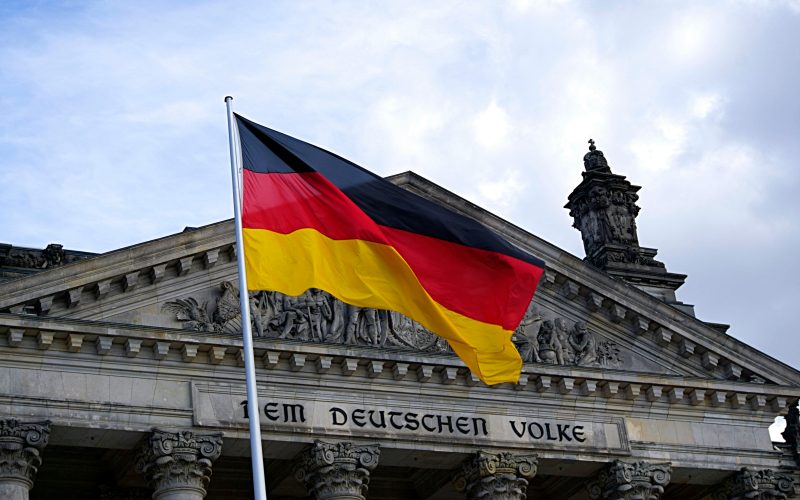
The German government has approved its 2026 draft budget, setting out plans to invest €126.7 billion ($146.4 billion) and borrow €174.3 billion to support public services and infrastructure.
The plan comes with a warning that from 2027, tighter financial controls and spending cuts may be introduced due to growing fiscal pressures.
Finance Minister Lars Klingbeil pointed to long-term financial challenges, including higher debt levels, aging infrastructure, and the cost of transitioning to cleaner energy sources.
The government expects the 2026 budget to support key national priorities such as digital modernization, defense, housing, and climate programs.
At the same time, Germany’s economic output showed a slight decline.
According to preliminary data released by Destatis, the federal statistics office, the economy shrank by 0.1% in the second quarter of 2025.
The contraction reflects weak industrial activity, low consumer demand, and ongoing global supply issues.
This is the second small decline in recent quarters, raising concerns about stagnation in Europe’s largest economy.
Elsewhere in the country, a local council near Stuttgart made headlines by ordering the demolition of a nearly completed mosque.
In the town of Leinfelden-Echterdingen, the local council voted to reclaim public land and instructed the Islamic association behind the Eyüp Sultan Mosque to dismantle the building by the end of 2025.
This decision follows a legal ruling from Germany’s top court that confirmed the municipality’s right to take back the land.
The Islamic group will be responsible for the cost of demolition.
The mosque, still under construction, was originally part of a lease agreement that has now been terminated.
The move has drawn attention nationally, with legal and religious groups watching the outcome closely.
Local officials say the land is needed for future public development, while the community affected has expressed concern over losing their place of worship.