
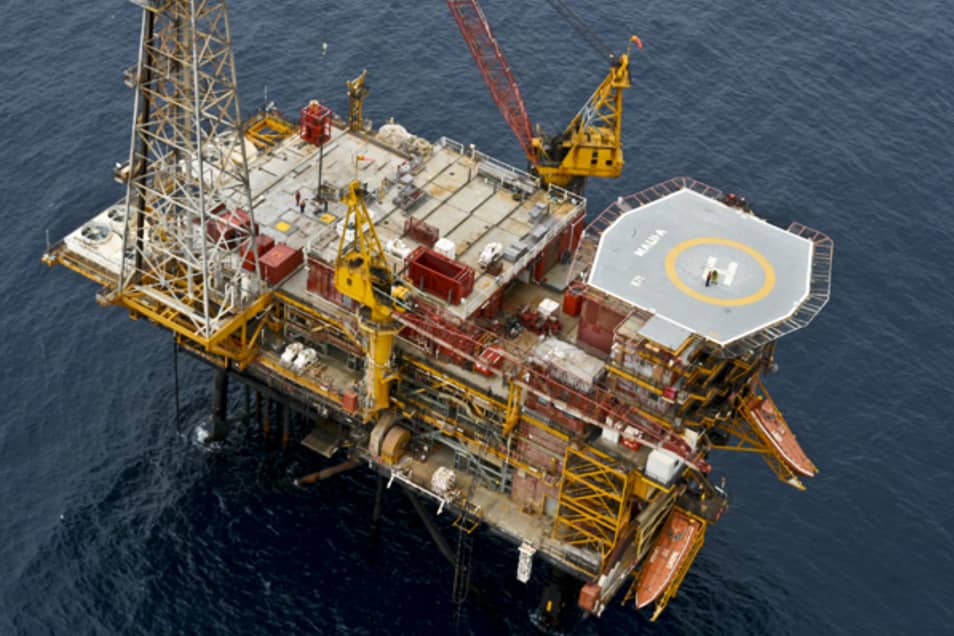
Parliament has approved a bill to reverse a previously imposed ban on offshore oil and gas exploration.
This decision ends the restrictions introduced in 2018 by Jacinda Ardern’s government, reinstating the framework that allows petroleum companies to seek exploration permits beyond onshore Taranaki starting in September.
The legislation passed by a vote of 68 to 54 in favour.
It is part of wider efforts by the governing National–New Zealand First coalition to roll back progressive policies introduced by the previous administration, including removal of green vehicle incentives and faster approval of mining projects.
Supporters of the repeal, such as Resources Minister Shane Jones and Climate Minister Simon Watts, argue that the ban discouraged investment and created supply shortages that pushed up energy prices.
They claim restarting exploration is necessary to tap domestic gas reserves and shore up energy stability .
Opposition leaders and environmental groups have voiced strong disapproval.
They warn that lifting the ban undermines the country’s climate goals and damages its reputation in global environmental community.
Concerns were also voiced about a late amendment that weakens rules around cleanup responsibilities for oil and gas wells—raising fears taxpayers could be left holding the bill in future decommissioning cases.
This marks a significant shift in New Zealand’s energy policy. What had been a symbol of commitment to renewable energy now becomes part of a broader agenda focused on encouraging fossil fuel development and boosting economic growth.
The changes follow a pattern of deregulation in areas such as mining, climate policy and infrastructure investment initiated since the coalition took power in late 2023 .
The move allows companies to apply from September for offshore exploration and opens debate on how New Zealand balances energy needs, economic goals, and climate responsibilities.