
In early July 2025, Greece’s parliament enacted emergency legislation halting the processing of asylum applications from individuals arriving by sea from North Africa, particularly via Libya.
This temporary measure is set to last three months and passed on July 11 by a vote of 177 to 74 .
The suspension is a response to a rapid rise in migrant arrivals.
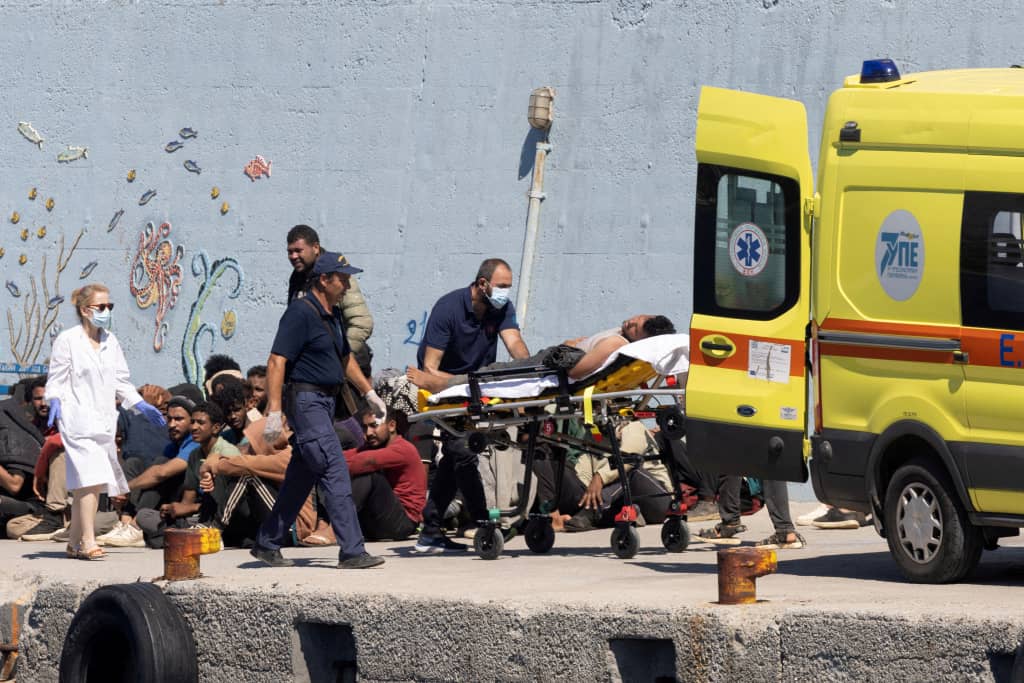
Official statistics show that over 7,000 migrants reached Crete by mid‑June 2025, more than three times the number recorded for all of 2024.
Authorities reported daily landings reaching up to 1,000 people, prompting the government to describe the flow as resembling an invasionii.
Under the new rules, migrants arriving illegally by boat will be detained immediately and can be returned swiftly without identification checks.
Those whose asylum claims are rejected face possible detention or prosecution and deportation.
More than 500 people intercepted south of Crete have already been transferred to mainland facilities near Athens, including Lavrio and Piraeus .
Human rights groups and international agencies have strongly condemned the law.
The UNHCR expressed serious concern, insisting Greece’s process must comply with European and international obligations.
The Council of Europe’s human rights commissioner warned that the measures risk legalising returns to places where migrants could face torture or other violations.
The International Rescue Committee called the policy illegal and inhumane, stressing that the ability to seek refuge is a fundamental right, regardless of migrants’ arrival point.
Greece has also begun transferring many arrivals from Crete to the mainland as temporary island facilities reached capacity.
Crete’s overwhelmed systems — with limited shelter and basic services — led officials to initiate moves to mainland camps swiftly.
Greece further announced plans to train Libyan coastguard officers on Crete as part of a bilateral effort to curb departures.
This reflects broader regional cooperation and the government’s push to prevent small boat crossings from reaching EU shores .
The new policy marks a turning point in Europe’s migration approach, raising growing concerns across the continent about balancing border control and human rights commitments.