
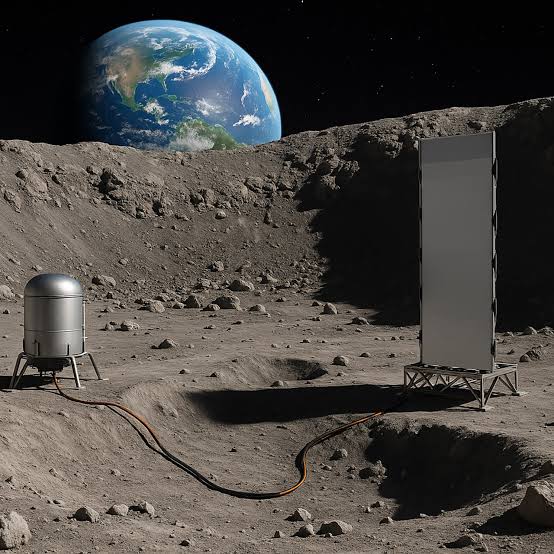
Nasa is moving forward with a plan to install a nuclear reactor on the Moon by the end of the decade.
This step is part of the broader goal to create a long-term human base on the lunar surface.
The push follows growing interest in the Moon from several nations, including China and Russia, who also have plans to build lunar power stations.
The reactor, if built, would generate at least 100 kilowatts of energy, which is small compared to other power sources on Earth but enough for a basic lunar outpost.
Previous contracts were awarded in 2022 to explore designs, but the recent directive aims to fast-track the process.
Sean Duffy, currently leading Nasa under a temporary appointment, asked private companies to send proposals for the reactor.
His request followed comments about the possibility of other countries claiming areas of the Moon, sparking concerns about international competition.
Experts agree that nuclear energy is likely the only reliable power source for the Moon.
Solar energy is difficult to depend on due to the Moon’s day-night cycle, which includes two weeks of darkness.
Some scientists believe that building a reactor by 2030 is achievable if enough money is invested and launches stay on schedule.
Nasa’s Artemis missions are designed to carry astronauts and equipment to the Moon, but the program has experienced delays and budget cuts.
There are also safety concerns around launching radioactive material from Earth.
However, specialists say such challenges can be managed with proper licensing and precautions.
The announcement comes at a time when Nasa is facing a proposed 24% budget cut, including cuts to several science programs.
Some experts see the renewed focus on lunar competition as more political than scientific, warning that international rivalry could shift attention away from shared goals in space exploration.
As plans progress, questions remain about funding, timing, and how all parts of the lunar program will work together.