
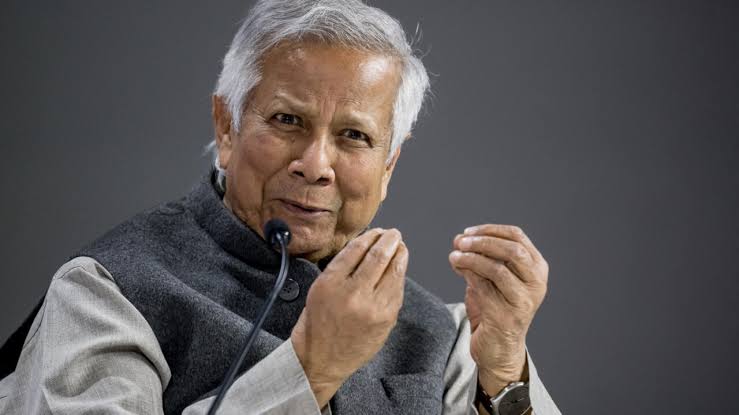
Bangladesh’s interim chief adviser, Muhammad Yunus, announced on August 5, 2025, that national elections will be held in February 2026, ahead of the Ramadan period.
This will be the first general election since the student-led movement in July 2024 that forced out long-serving Prime Minister Sheikh Hasina.
In a national broadcast marking the one-year anniversary of the uprising, Yunus said he would ask the Election Commission to schedule the polls for early February.
The move follows growing pressure from key political groups to avoid delays in restoring an elected government.
Large gatherings were seen across Dhaka to mark the date. People joined rallies, concerts, and prayers to observe the change that began a year ago.
During the event, Yunus introduced the “July Declaration,” a proposal that recognizes the 2024 uprising within a revised constitution to be adopted after the election.
The declaration also includes plans for future reforms in governance, electoral policy, and public institutions.
Political responses have been divided. While some parties welcomed the February timeline, others questioned the exclusion of the Awami League, which remains banned.
Meanwhile, a new political force, the National Citizen Party, made up mostly of former student activists, has started organizing ahead of the vote.
Critics have raised concerns about the group’s close links to the interim government and whether it might limit political diversity in the coming election.
Human rights observers continue to report instances of abuse and suppression despite the change in leadership.
As February approaches, questions remain about the fairness of the process, inclusion of all political voices, and whether promised reforms will be fully carried out