
The US government has stopped funding 22 projects that were working on mRNA-based vaccines for respiratory illnesses such as COVID-19 and seasonal flu.
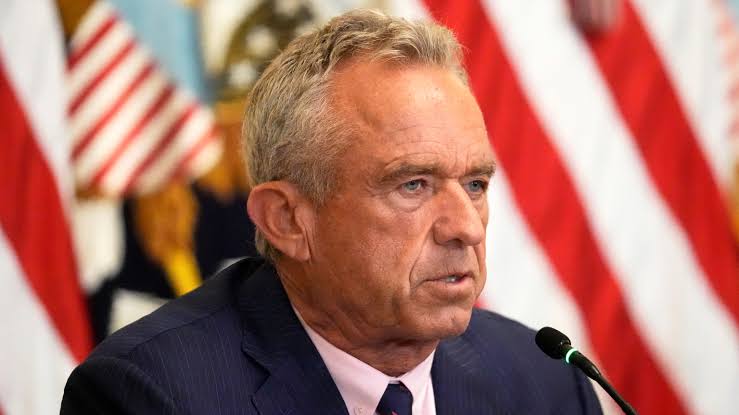
The decision was made by Health Secretary Robert F. Kennedy Jr., who pointed to scientific data suggesting these vaccines are not offering strong protection against upper respiratory infections.
The move affects nearly $500 million in planned spending through the Biomedical Advanced Research and Development Authority (BARDA), which had been supporting vaccine development across several top pharmaceutical companies, including Pfizer and Moderna.
These projects were focused on mRNA platforms, which played a key role during the COVID-19 pandemic.
Officials say the decision follows a review of scientific data and expert opinions.
The department plans to shift its focus to different types of vaccine technologies, such as whole-virus vaccines and other platforms believed to work better even when viruses change or mutate.
Although the funding cuts impact respiratory vaccine development, other uses of mRNA technology within the Department of Health and Human Services (HHS) — such as cancer immunotherapy — will continue without change.
Since taking office, Kennedy has reshaped national vaccine policy.
He has reduced support for COVID-19 vaccines, dismissed advisory panels, and launched a new study into a previously discredited claim linking vaccines to autism.
His approach has sparked controversy among medical experts and public health advocates.
Kennedy stated that the HHS still backs access to vaccines for those who want them, but is aiming to support technologies considered more reliable in the face of evolving viruses.
This change signals a major shift in how the US plans to handle future vaccine development for respiratory threats.