
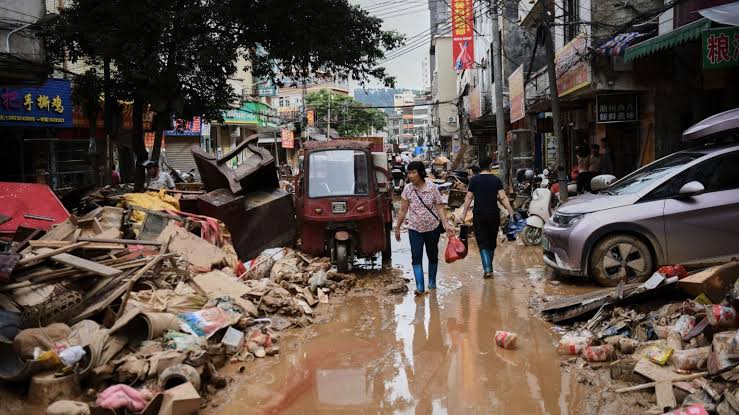
Chinese authorities are taking urgent steps to control a chikungunya outbreak that has infected more than 7,000 people, mainly in the southern city of Foshan.
The mosquito-borne virus, which causes fever, muscle aches, and joint pain, is spreading amid heavy rainfall and high temperatures in the region.
Local health officials are spraying insecticide in residential areas, streets, and construction sites.
They are also distributing mosquito nets to reduce transmission.
Residents who fail to eliminate standing water — such as in flower pots or bottles — could face fines of up to 10,000 yuan (about $1,400) or even have their electricity cut off.
Chikungunya, first recorded in Tanzania in 1952, typically causes mild symptoms and clears up within two weeks.
However, it can sometimes result in long-term joint pain and, in rare cases, severe illness requiring hospitalization, particularly in infants and older adults with underlying conditions.
The World Health Organization considers severe outcomes and deaths uncommon.
There is no specific treatment for the virus, but symptoms are managed with pain relievers and fever-reducing medication.
Two vaccines have been approved in regions like Europe, Canada, Brazil, and the UK.
However, these are mainly targeted at travelers and are not widely available in areas where the virus is most active.
Globally, chikungunya is known to cause regular outbreaks in Asia, Africa, and the Americas.
So far this year, over 240,000 cases and 90 deaths have been reported across 16 countries, including Brazil, Bolivia, Argentina, and Peru — the worst-hit areas, according to the European Centre for Disease Prevention and Control.
In response to the outbreak in Guangdong province, the US has issued a travel advisory warning citizens to avoid visiting the area, which includes cities like Foshan and Dongguan.
The advisory also names Bolivia and several Indian Ocean island nations as high-risk regions.