
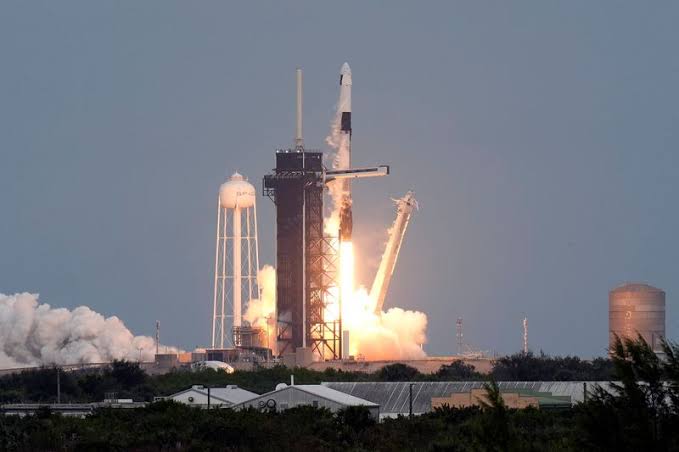
On August 13, 2025, U.S. President Donald Trump signed an executive order aimed at reducing federal barriers to commercial space launches.
The action instructs the Secretary of Transportation to speed up or remove environmental review requirements for launch and reentry licenses issued by the Federal Aviation Administration (FAA).
The order also directs a review of existing regulations, with the goal of eliminating those seen as outdated, redundant, or overly restrictive for spaceflight activities.
In an effort to bolster development, it reorganizes parts of the government’s oversight structure—elevating the Office of Space Commerce to report directly to the Commerce Secretary and turning the head of the FAA’s commercial spaceflight division into a political appointee.
By streamlining approval processes and encouraging construction of new launch facilities, the order signals a broader push to make the U.S. a global leader in space commerce by 2030.
Although the text does not name any company specifically, SpaceX stands to gain significantly, as it routinely conducts the highest number of U.S. launches and has cited delays from environmental assessments and post-flight investigations—especially regarding its Starship program in South Texas.
Other industry players, such as Jeff Bezos’s Blue Origin and United Launch Alliance, could also benefit from a lighter regulatory environment.
Environmental groups raised concerns, warning that loosening oversight could harm wildlife and ecosystems near launch sites.
They cite past incidents—like the 2023 Starship test in Texas, which damaged habitats and sparked lawsuits—as evidence of potential risks.
Supporters of the move argue that faster approval pathways will boost investment and strengthen U.S. competitiveness in the global space sector.
Yet critics warn that removing regulatory safeguards may put public safety and the environment at risk.