
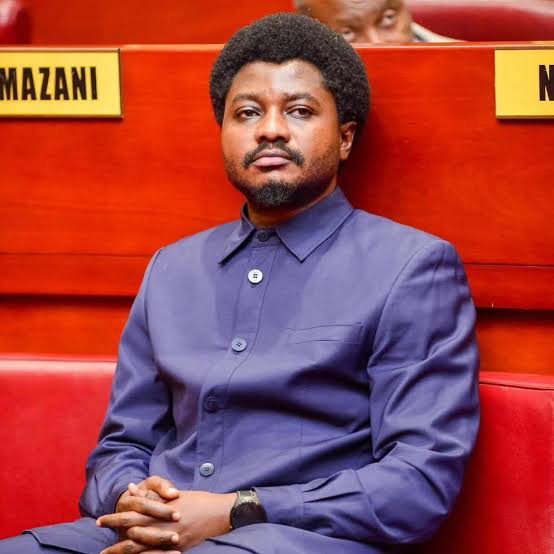
In Kinshasa, the trial of former justice minister Constant Mutamba is nearing its conclusion, with a verdict scheduled for 27 August.
Prosecutors have requested a sentence of ten years of hard labour and a decade-long ban on his right to vote or run for public office.
The charges relate to an alleged scheme to misuse nearly US $20 million in state funds allocated for building a prison in Kisangani.
Mutamba is accused of trying to divert the funds away from their intended purpose.
The prosecution claims that the money was mishandled, while the defence insists that no actual loss to the state occurred.
According to his lawyers, oversight institutions such as the General Inspectorate of Finance were informed and involved in monitoring the payments to the construction company, which they say demonstrates transparency.
The former minister denies benefiting personally from the funds and maintains that the money remains in an escrow account.
He argues that the payment order was issued under a contract approved at the highest levels of government, including the Prime Minister’s office.
His legal team points to these approvals as evidence that the transaction was lawful.
Mutamba’s case has gained significant attention because of his political profile. He ran for president in 2023 on an anti-corruption platform and introduced judicial reforms during his time in office.
His outspoken criticism of the justice system has reportedly put him at odds with members of the judiciary, fuelling claims that the trial is politically motivated.
Observers draw comparisons to previous high-profile corruption trials in the Democratic Republic of Congo, such as the case against Vital Kamerhe in 2020, which initially resulted in a conviction before ending in acquittal on appeal.
Analysts say the outcome of Mutamba’s trial could influence public confidence in the judiciary and shape political narratives in the run-up to future elections.
The court’s decision on 27 August will determine whether Mutamba walks free or begins serving a lengthy sentence, and it is expected to be closely watched both inside the country and abroad.