
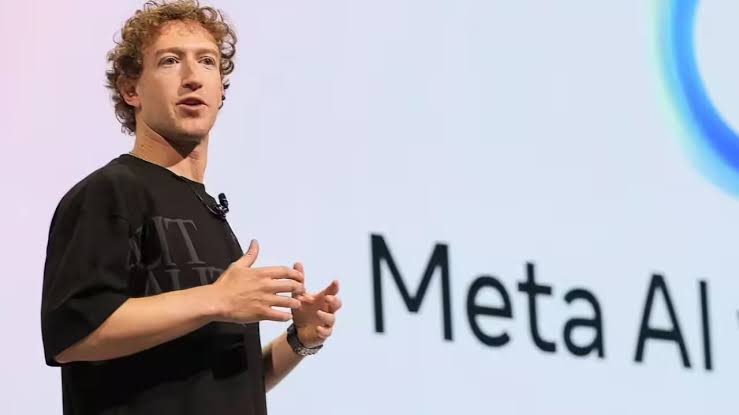
Meta is under scrutiny for internal guidelines that govern its AI chatbots, following a report by Reuters.
The policies, revealed in a 200-page internal document, allowed AI to provide false medical advice, engage in harmful racial discussions, and interact with children in ways many consider inappropriate.
This has led to criticism from public figures, lawmakers, and advocacy groups.
Neil Young has severed ties with Facebook, citing concerns over AI interactions with children.
His record label confirmed the singer requested that Facebook no longer be involved in any Neil Young-related activities, describing Meta’s chatbot practices with minors as unacceptable.
U.S. lawmakers have reacted to the report. Republican Senator Josh Hawley is investigating whether Meta’s AI products may expose children to exploitation or other criminal risks and if the company misled regulators.
Republican Senator Marsha Blackburn supports a formal inquiry.
Democratic Senator Ron Wyden expressed strong disapproval of the guidelines and argued that companies should be held accountable for AI-generated harm, even under Section 230 protections.
The internal policy, called “GenAI: Content Risk Standards,” outlined acceptable behaviors for Meta’s chatbots, approved by the company’s legal, policy, and engineering teams, including the chief ethicist.
While some guidance indicated chatbots could engage in romantic or sensual dialogue with minors, Meta has since removed these examples, emphasizing they do not represent current policy.
The document also addressed AI’s role in generating false content, hate speech, sexualized images of public figures, and violent content.
Meta stated the examples were inconsistent with policy and have been removed.
Enforcement of chatbot standards has been inconsistent, according to company statements.
Reports also mentioned a cognitively impaired New Jersey man who became infatuated with a Facebook Messenger chatbot, resulting in a fatal incident during a trip inspired by the AI.
Meta did not comment on the man’s death but clarified that the chatbot was not a real person or celebrity.
Meta continues to invest heavily in AI, planning around $65 billion in infrastructure this year as part of its broader AI strategy.
The situation has raised questions about how AI interacts with users and what safety measures are in place.