
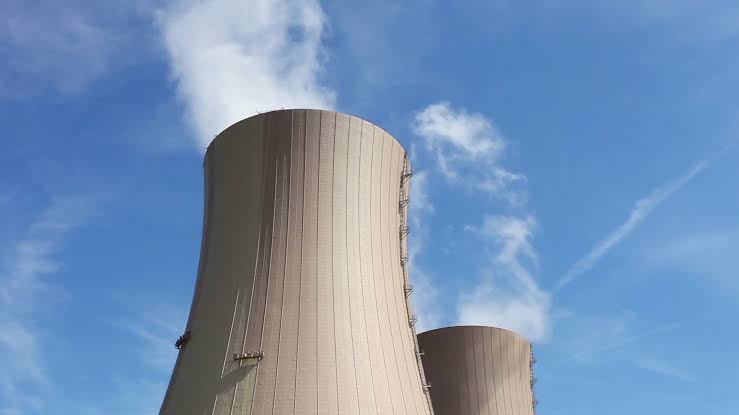
Taiwan’s decision to gradually phase out nuclear power has triggered a heated discussion across the island, raising questions about how the country can maintain a stable and secure electricity supply while addressing environmental and safety concerns.
Last year, nuclear energy accounted for only a small portion of Taiwan’s electricity, yet some experts warn that removing it completely could make the island vulnerable to energy disruptions, especially in a conflict with China.
Several analysts in the United States have pointed out that maintaining nuclear power could help Taiwan store fuel on-site for long periods, offering a degree of independence during crises.
In contrast, Taiwanese energy experts argue that nuclear power carries its own risks, particularly in wartime conditions.
Past incidents in Ukraine show that nuclear plants can face shutdowns when infrastructure is damaged or safety measures are triggered during military attacks.
Experts suggest that Taiwan could improve energy security by diversifying sources rather than relying solely on nuclear power.
Increasing imports of liquefied natural gas (LNG) and coal could create a more flexible supply system that remains stable during emergencies.
The debate in Taiwan mirrors discussions in Europe, where the European Union classifies nuclear power as part of a green energy transition if radioactive waste can be safely managed.
Germany, however, completed its nuclear phase-out in 2023, relying on coal and renewables for most of its electricity.
Taiwan faces different challenges. More than 80% of its electricity comes from fossil fuels, mainly natural gas and coal, while renewables provide about 12%, far below the government’s target of 20% by 2025.
Local residents near the Maanshan nuclear plant in Pingtung County have raised concerns about restarting the reactor.
The plant sits on a seismic fault, and the area depends on farming and fishing. Many believe that restarting the plant would put lives and livelihoods at risk, particularly after four decades of safe operation.
As Taiwan considers its energy future, officials must weigh the need for reliable electricity against potential safety dangers, while finding ways to meet growing demand and maintain stability during times of crisis.