
El Salvador’s education system is undergoing a sharp shift toward military-style discipline after President Nayib Bukele appointed army captain and doctor Karla Trigueros as the new minister of education on August 14.
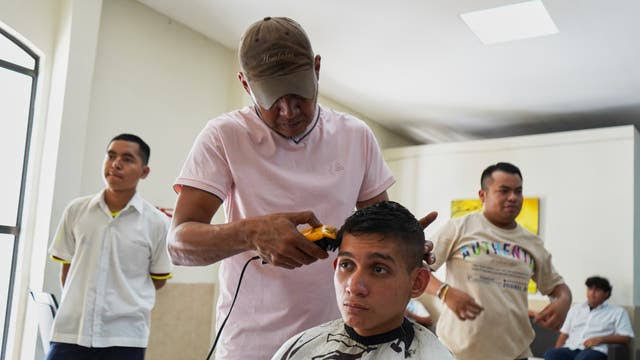
Just days after assuming her post, Trigueros issued a memorandum on August 20 introducing strict regulations for schools, including mandatory haircut standards for students, uniform inspections, and tighter discipline measures inside classrooms.
Trigueros, often seen in camouflage attire, described the rules as part of a campaign to “strengthen discipline” across schools nationwide.
President Bukele backed the decision, saying the reforms are essential to building “the El Salvador we dream of.”
The new code of conduct emphasizes punctuality, order, and military-style grooming.
Students are now required to maintain short, neat haircuts, wear complete uniforms daily, and adhere to stricter attendance checks.
Teachers have also been directed to enforce discipline more rigorously, with schools instructed to report repeat violations.
Unions and rights groups remain divided over the move. The Salvadoran Teachers’ Front argued that appointing a military officer to lead education risks “militarizing schools” and could lead to increased abuses of authority.
Others, such as the Public School Teachers Union, cautiously welcomed the effort to restore discipline but urged lawmakers to review child protection laws that make it harder for educators to impose order.
Bukele, who was reelected in 2024, has gained strong public support for his tough security policies, particularly the crackdown on gangs that previously infiltrated schools.
However, critics warn that extending military practices into education could further entrench authoritarian tendencies within the government.