
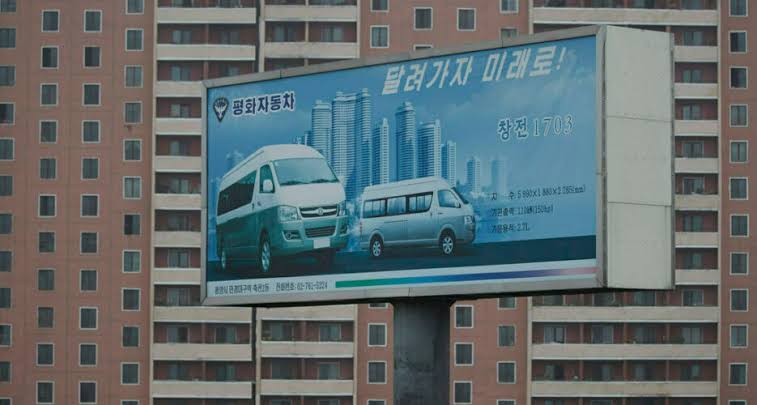
North Korea is creating an illusion of prosperity by copying Western elements—visitors to Pyongyang can order coffee in a mock Starbucks and pay with mobile phones.
Along the eastern coastline, a seaside resort—Kim Jong-un’s pet project—is stocked with foreign beers and water slides, aimed at attracting tourists while deflecting attention from the nation’s deep economic struggles.
This curated experience was documented by The New York Times through video accounts provided by three recent visitors—a Russian tourist, a Swedish marathon runner, and a Chinese student.
While their movements were tightly controlled and they were barred from filming most official or strategic areas, their footage reveals growing consumerism and modern lifestyle veneers in North Korea.
On the east coast, North Korea opened a massive beach resort—Wonsan-Kalma Coastal Tourist Area—capable of hosting up to 20,000 guests.
The development features hotels, water parks, lobbies, and scenic beaches.
Analysts suggest it mirrors seaside resorts elsewhere and may serve both domestic rewards and few limited foreign guests, especially from Russia, as ties with China remain cautious.
The resort is part of a larger push to revitalize tourism and create symbols of modernity even amid international isolation.
Behind the façades lies a stark economic reality. North Koreans earn only a few dozen dollars a month on average—rough estimates put the figure at around $30 to $40, contrasting sharply with incomes in neighboring countries .
This drastic wage disparity makes the luxuries seen by tourists out of reach for most citizens.
North Korea’s drive to simulate Western-style consumer culture and create splashes of modern leisure reflects a deeper strategy—to present a façade of normalcy and prosperity while maintaining a tightly controlled, hierarchical society less affected by sanctions or internal discontent.