
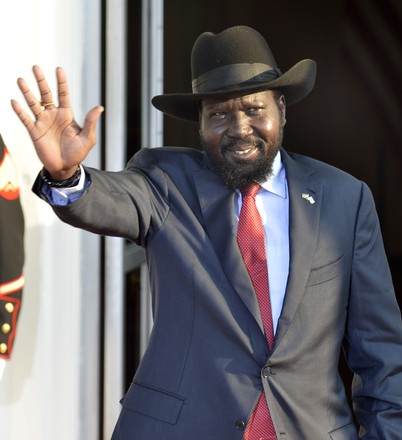
South Sudan’s President Salva Kiir has appointed his daughter, Adut Salva Kiir, as Senior Presidential Envoy for Special Programmes, a position previously held by the current Vice President. This move has sparked intense debate and accusations of nepotism, with many questioning the merit behind the appointment.
Adut, who has kept a relatively low profile in politics, runs the Adut Salva Kiir Foundation, a non-profit organization focused on charity and humanitarian work. Her new role places her among the president’s closest advisers. Supporters argue that her appointment could bring a fresh perspective and influence the presidency to embrace dialogue and reform.
However, critics insist that Adut’s elevation reinforces perceptions of entrenched political dynasties and “inheritance governance” in South Sudan. “In Thok Nath, we say: ‘Guan Yaang ci te Buom’—the owner of the cow must protect it. Similarly, Adut must now protect her credibility through performance, not speeches,” said Wany Bum Makhor, a member of the Jonglei State Legislative Assembly.
Makhor added that Adut’s new role should be judged not by her family connections but by her ability to deliver inclusive and effective leadership. “Hon. Adut is an eloquent public speaker with unmatched confidence, particularly on dialogue, forgiveness, justice, accountability, and equitable resource sharing,” Makhor said. “But South Sudanese are questioning whether these powerful speeches can translate into tangible reforms that unite the country.”
This appointment comes amid concerns over the country’s governance and growing trend of family rule in African politics. In Uganda, for instance, President Yoweri Museveni’s son, Gen Muhoozi Kainerugaba, was appointed Chief of Defence Forces, while his wife serves as Education minister. Similarly, in Kenya, President William Ruto’s daughter, June Ruto, was appointed Director of Foreign Service ¹.
The appointment has sparked mixed reactions nationwide, with some hoping Adut could influence positive change, while others warn it may deepen public skepticism about governance in South Sudan. As Adut takes on her new role, many are watching closely to see whether her office will strengthen national unity or reinforce perceptions of nepotism ².