
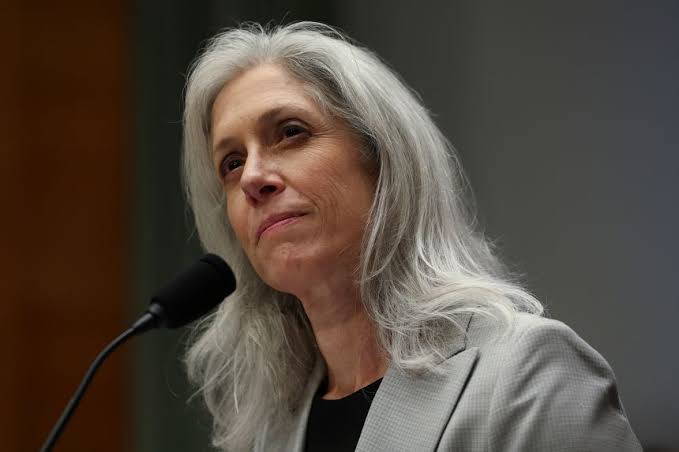
The White House confirmed it has removed Dr Susan Monarez from her position as director of the US Centers for Disease Control and Prevention, citing her lack of alignment with the president’s policies.
The announcement came after Dr Monarez refused to resign when the Department of Health first declared her departure.
Her legal team said she was forced out for rejecting directives she believed were unscientific and for refusing to dismiss experienced health experts.
They accused Health Secretary Robert F. Kennedy Jr. of politicising public health.
Dr Monarez, a career scientist with expertise in infectious disease research, was appointed by former President Donald Trump and confirmed in July.
She was the first CDC director in 50 years without a medical degree.
Her ousting has triggered multiple resignations within the CDC. Chief Medical Officer Debra Houry, infectious disease division head Daniel Jernigan, and immunization chief Demetre Daskalakis all stepped down.
Each cited concerns about misinformation, budget cuts, and political interference. Reports also indicate that Dr Jennifer Layden, head of the Office of Public Health Data, Surveillance and Technology, has left the agency.
The shake-up comes as the Food and Drug Administration approved new Covid vaccines, limiting their use to seniors and people with medical conditions.
Kennedy later stated that emergency authorizations once used to justify broad mandates had been withdrawn.
During her brief tenure, Dr Monarez sought to steady staff morale, particularly after a violent attack on the CDC’s Atlanta headquarters earlier this month.
The shooting, carried out by a man who believed vaccines had harmed him, killed one police officer and left hundreds of bullet holes in the building.
Her removal follows growing unrest within the agency. Earlier this month, a CDC staff union reported that about 600 employees had been laid off, including teams handling infectious disease response and environmental health.
An open letter from employees accused Kennedy of fueling hostility toward healthcare workers through his anti-vaccine rhetoric.
The future of the CDC’s leadership remains uncertain as the agency faces political turmoil, staffing cuts, and public health challenges.