
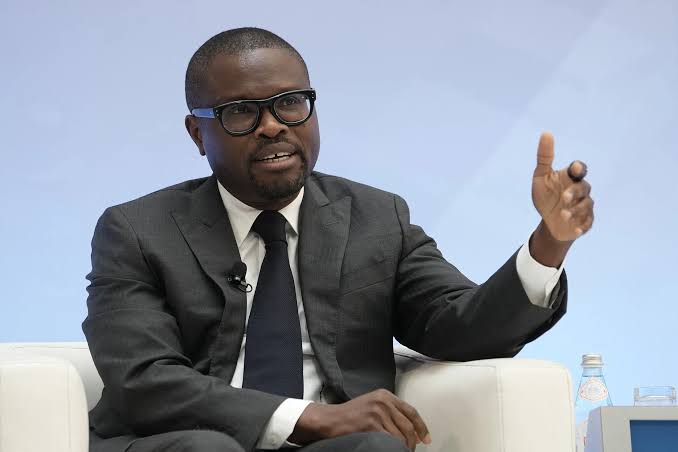
Benin’s ruling coalition has chosen Finance Minister Romuald Wadagni as its candidate for the 2026 presidential election, moving to secure continuity as President Patrice Talon prepares to step down after his second term.
Wadagni entered government in 2016 after working with Deloitte and has since become a central figure in shaping Benin’s financial and economic policies.
His efforts to strengthen public accounts and support infrastructure growth have given him a strong profile within the administration.
The Republican Bloc and the Progressive Union for Renewal, the main parties in the coalition, have formally endorsed his candidacy, providing him with a solid platform for the campaign.
The coalition’s decision reflects consensus and avoids internal competition, giving Wadagni a clear path as the preferred successor to Talon.
Political analysts note that while he has credibility through his role in reforms, he will also need to respond to pressing concerns such as youth unemployment, rising prices, and limited household purchasing power.
Unlike several leaders in West and Central Africa who are pursuing extended terms, Talon has confirmed he will not remain in power beyond two mandates.
Across the region, leaders like Alassane Ouattara in Ivory Coast, Paul Biya in Cameroon, and Faustin-Archange Touadera in the Central African Republic are seeking to extend their time in office.
These moves have raised questions about democratic practices, especially after a wave of military coups between 2020 and 2023.
Benin is now preparing for a rare democratic handover. Wadagni’s nomination signals both political stability and a commitment to continue the reform agenda while facing the challenge of ensuring broader economic and social progress.