
Relentless rains have disrupted daily life across northern India, prompting the national weather agency to issue red alerts in several states.
Himachal Pradesh, Uttarakhand, Jammu and Kashmir, Odisha, and parts of Punjab remain on high alert as authorities brace for further downpours.
Schools and colleges in multiple districts have been closed, while private offices have been asked to let employees work from home.
The heavy rainfall has caused severe flooding, landslides, and transportation chaos.
Punjab has declared all 23 of its districts flood-hit. Officials reported 30 deaths and said nearly 350,000 people have been affected, describing the floods as among the most widespread in decades.
Relief camps and rescue operations are underway across the state.
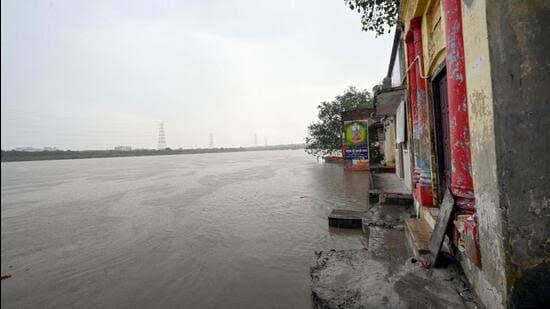
In New Delhi, the Yamuna River crossed the danger level, forcing authorities to evacuate more than 10,000 residents from low-lying settlements.
Aerial images showed large areas submerged, while displaced families took shelter in makeshift camps.
Nearby Gurugram, a wealthy satellite city of the capital, faced crippling waterlogging.
Knee-deep flooding left commuters stranded, sparking widespread frustration on social media over poor urban infrastructure and flood preparedness.
In the Himalayan region, Jammu and Kashmir has been battered by flash floods and landslides in recent days, killing dozens.
Forecasts warn of more rain in the next 24 hours. Chief Minister Omar Abdullah has directed emergency services to accelerate evacuations and step up relief measures.
Himachal Pradesh is also facing severe disruption, with over 1,000 roads blocked by landslides. Authorities have warned that unstable slopes pose a continuing risk as rainfall persists.
The ongoing deluge has underscored northern India’s vulnerability to extreme weather events, raising concerns about preparedness and resilience.
Officials fear the death toll could rise further if the rains do not ease in the coming days.