
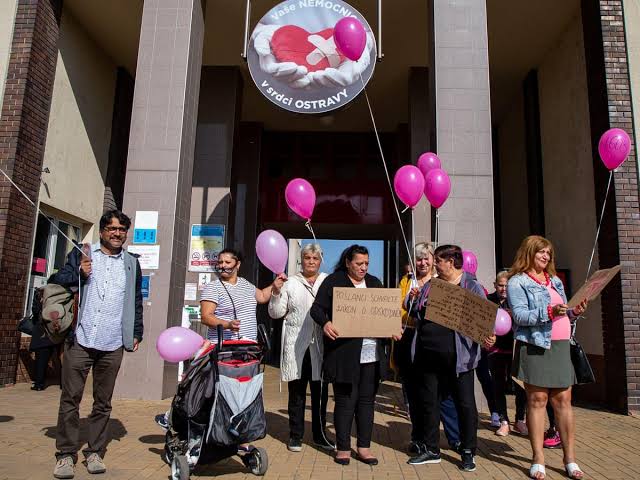
Thousands of Roma women in Slovakia were sterilized without their consent, a practice that left lasting scars on one of Europe’s most marginalized communities.
While the Slovak government has since issued a formal apology, survivors and activists argue that words are not enough—they want accountability and financial compensation.
In Roma culture, large families symbolize wealth and happiness, making the forced sterilizations especially devastating.
The practice deprived countless women of the ability to have children, stripping them of both choice and cultural identity.
Among those leading the fight for justice is activist Veronica Dushdova, who has urged Slovak authorities to acknowledge the full scope of this dark chapter in the country’s recent history.
She and others insist that compensation must accompany recognition, as the policies inflicted deep harm on Roma women and their communities.
Roma people in Slovakia, who make up around 8% of the population, continue to face widespread discrimination in housing, employment, and education.
Human rights organizations argue that addressing forced sterilizations is not only about past abuses but also about dismantling systemic inequities that persist today.
For survivors, the campaign is about dignity as much as justice. They say recognition, reparations, and reform are essential to ensuring that such violations are never repeated.