
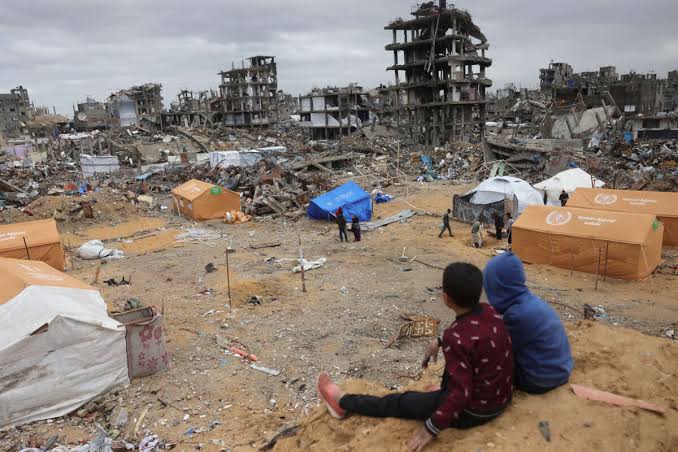
Britain has ruled that Israel’s military campaign in Gaza does not meet the legal definition of genocide, while voicing concern about the rising civilian death toll.
The conclusion was delivered in a formal letter from Foreign Secretary David Lammy to Parliament’s International Development Committee on September 1.
The government said the Genocide Convention requires proof of intent to destroy a national, ethnic, racial, or religious group.
Based on available evidence, ministers argued that Israel’s actions, though devastating in scale, do not show the intent necessary for genocide.
The letter stressed that casualties in Gaza remain appalling and that Israel must take further steps to protect civilians.
This legal view sparked a divided response. Rights groups and opposition politicians said the government is failing to meet its responsibility to help prevent mass killings, calling for a complete halt to arms sales to Israel.
They argue that continued military trade undermines Britain’s moral and legal credibility. Campaigners also accused the government of hiding behind technical legal arguments instead of acting to stop further suffering.
The government has already suspended some arms export licences but resisted imposing a full embargo.
Ministers said each licence would continue to be judged under UK and international law, insisting that decisions must follow strict legal standards rather than political pressure.
The decision comes as other European countries adopt firmer positions. Spain has imposed an arms embargo on Israel and restricted port access for vessels carrying fuel for its military.
Meanwhile, proceedings at the International Court of Justice in The Hague are ongoing, keeping international attention on Israel’s actions.
Britain’s stance leaves the government balancing legal caution, humanitarian concerns, and political demands at home.
The debate is expected to continue in Parliament as pressure mounts for tougher measures while the Gaza conflict continues.