
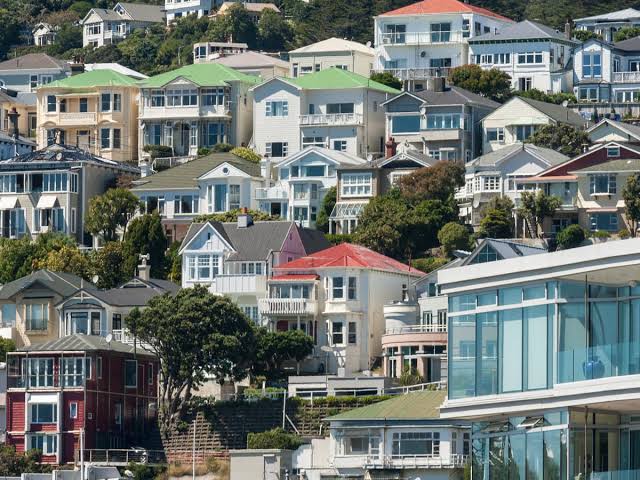
In a significant policy shift, New Zealand’s government has relaxed its 2018 ban on foreign property ownership, allowing wealthy overseas investors to purchase high-value residential properties.
This move aims to stimulate the country’s slowing economy but has raised concerns about its impact on the ongoing housing affordability issues.
Under the new policy, individuals eligible for the Active Investor Plus visa, commonly known as the “golden visa,” can now buy properties valued at NZ$5 million (approximately US$3 million) or more.
These investors, primarily affluent foreigners, are required to invest NZ$5 million over three years or NZ$10 million over five years in less risky assets to qualify for residency.
Previously, such investors were prohibited from purchasing homes unless they resided in New Zealand for at least six months annually. The recent policy change waives this residency requirement for those meeting the investment criteria.
The government justifies this decision as a strategy to attract capital from high-net-worth individuals, particularly those seeking stable environments amid global uncertainties.
Notably, tech billionaires like Peter Thiel have previously invested in luxurious properties in New Zealand as potential refuges.
However, critics argue that this policy may exacerbate the housing crisis by prioritizing wealthy foreigners over addressing the needs of local residents.
Before the original ban, foreigners accounted for only 2% to 3.5% of home sales, and home prices have recently reached a two-year low.
Economist Kelvin Davidson suggests that the impact on the broader housing market will be limited due to factors like a weak labor market and rising unemployment.
The policy change comes at a time when New Zealand’s housing market is experiencing a downturn.
National house prices have fallen by 13% since 2021, with Auckland and Wellington seeing declines of nearly 20% and 30%, respectively.
While these decreases have improved affordability for some buyers, challenges persist, especially for first-time homebuyers and renters.
As New Zealand navigates this complex issue, the balance between attracting foreign investment and ensuring affordable housing for its citizens remains a contentious topic.