
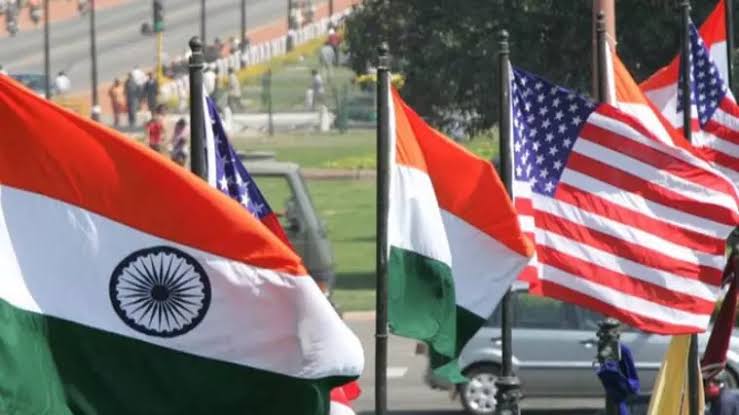
Leaders from Congress, former U.S. diplomats, Indian American business figures, and diaspora voices met virtually on September 10, 2025.
They warned that President Donald Trump’s tariff measures against India and recent hostile language threaten years of careful work in U.S.-India relations.
The gathering was organized by the Indian American Council, with Congressman Ro Khanna in the chair. Concern was strong that soaring tariffs—such as the U.S. imposing a 50% duty on many Indian goods—could push India closer to strategic competitors like Russia and China. ([Reuters] news)
Participants agreed on two immediate steps. First, they will press lawmakers from both major parties to argue for reversing or reducing the tariffs.
Second, they want visible community activism to show the strategic value of the U.S.-India alliance.
Critics say the tariffs are hurting Indian exporters in sectors like textiles and leather.
They also warn that American exporters face new barriers to India’s markets. Some law-makers claim that such economic friction could end up weakening trust and cooperation in fields beyond trade—security, technology, climate change.
India’s government has called the U.S. tariffs “unfair, unjustified, and unreasonable.” It rejects calls from Washington to reduce its oil purchases from Russia, saying its energy strategy must remain autonomous.
Meanwhile, U.S. business groups and analysts caution of wider fallout: foreign investment decisions, supply chain shifts, and long-term diplomatic cost.
With bilateral trade worth hundreds of billions of dollars, both sides have stakes in preserving stability.
Many in the diaspora stress that shared democratic values between the two countries and decades of partnership will be hard to preserve without mutual respect and policy predictability