
By Abubakar Yunusa
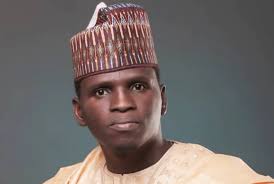
When Dauda Kahutu Rarara walked into the NICON Luxury Hotel in Abuja at the weekend, he carried the confidence of a man used to the spotlight.
Wearing a flowing academic gown, with his new wife by his side, the popular Hausa political singer was all smiles as cameras clicked. Moments later, he was handed an honorary doctorate degree in Humanitarian Service, Music and Entertainment.
The European-American University, Commonwealth of Dominican Republic of Panama, was said to be behind the honour. Dignitaries, including Katsina State Governor, Umar Dikko Radda, reportedly graced the occasion.
But what should have been a moment of unifying celebration has instead divided Nigerians.
For his admirers, the award is overdue. They point to Rarara’s philanthropy — building mosques, sponsoring underprivileged children in school, and empowering small businesses in Katsina and beyond.
To them, the degree is not about classrooms or research papers. It is about service, sacrifice, and giving hope to those at the margins of society.
“He deserves it,” said a supporter at the ceremony. “You don’t need to attend university before being recognised for touching lives.”
Yet, critics are not convinced. Some argue that Rarara, who never attended university, should not be celebrated with a title reserved for exceptional contributions to knowledge or society.
Their doubts deepened when the European-American University itself dismissed the convocation in Abuja as “fake and incorrect.”
The denial sparked fresh anger. Was the singer misled? Was the event staged? Or are Nigerians too quick to question an artiste when politicians without formal education have received similar honours without protest?
That question now sits at the heart of the debate.
Rarara, meanwhile, remains unbothered. In his acceptance speech, he thanked the institution for recognising his talent and humanitarian efforts. He also used the moment to encourage young Nigerians.
“Be patient, be focused,” he told them. “There is wisdom in being purposive.”
Whether fake or valid, his honorary degree has become a mirror reflecting Nigeria’s complicated relationship with education, fame, and recognition.
And for Rarara, the man whose songs often stir political emotions, the controversy may only add to his legend.
Abubakar Yunusa, writes from Abuja