
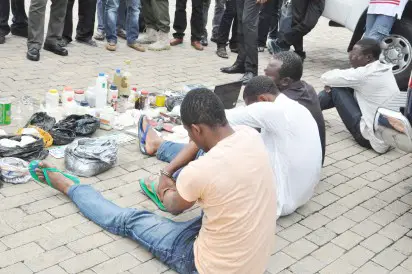
Who is affected, what happened, when it started, where it occurred, why it matters, and how it has been handled remain troubling questions surrounding the Nyanya bombing case.
Eleven years after the twin explosions in Nyanya, a busy suburb of Abuja, families of victims are still waiting for justice. The attack, which took place in April 2014, killed more than 75 people and left hundreds wounded, yet the trial connected to it has dragged on without closure.
The case began in 2014 after several suspects were arrested and charged with terrorism-related offenses. However, progress has been slow, with repeated adjournments, unprepared prosecution, and procedural setbacks that have kept the matter unresolved. Delays caused by frequent transfers of judges and the practice of restarting trials each time a new judge takes over have further stalled proceedings. Many legal observers believe this approach wastes time and resources, leaving victims, families, and even the accused trapped in uncertainty.
The Administration of Criminal Justice Act, which was passed in 2015, was designed to speed up trials and prevent unnecessary adjournments. Yet, the Nyanya case shows that the law has not been fully applied. Prosecution teams often face challenges such as lack of funds, limited training, and weak logistical support. Investigators struggle without forensic tools, reliable transportation for witnesses, or proper protection systems, making it hard to present strong cases in court.
Lawyers and rights advocates argue that terrorism trials need special attention. They suggest that creating dedicated courts with fixed judges and strict timelines could stop cases from being delayed for years. Some also call for a dedicated budget for terrorism cases, similar to what exists for election tribunals, as well as better digital systems to track progress. Without these steps, many believe such trials will continue to drag on while victims remain forgotten.
For families who lost loved ones in the Nyanya bombing, each adjournment feels like reopening a wound. Relatives say they feel abandoned, as justice has yet to be served more than a decade later. Some of the accused persons themselves have also expressed frustration, with at least one suspect seeking to change his plea simply to end the long wait in detention. Court records show that the case has suffered nearly one hundred adjournments since it began.
The alleged mastermind of the bombing and other suspects, one of whom was repatriated from Sudan in July 2014, continue to face charges of conspiracy, terrorism, and providing support to Boko Haram. Yet the lack of progress has left both victims’ families and defendants in limbo.
Government officials have spoken of efforts to improve the situation. In 2024, the Federal Ministry of Justice announced plans to introduce National Minimum Standards for the application of the Administration of Criminal Justice Act across the country. These standards are expected to bring uniformity to how the law is enforced and address common problems in trial management. However, challenges such as poor funding, weak coordination, and lack of training still stand in the way.
As the case returns to court on September 23 before Justice Peter Lifu of the Federal High Court in Abuja, victims and their families continue to wait. The Nyanya bombing trial has become a clear reminder of how long and difficult it can be to secure justice in Nigeria’s courts, especially in terrorism cases.