
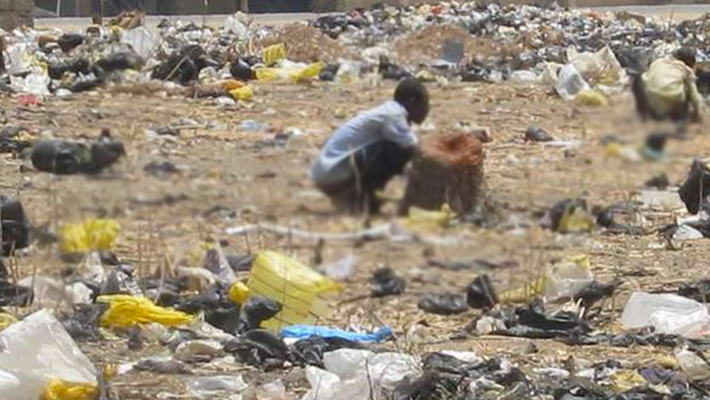
The Water, Sanitation and Hygiene (WASH) unit of Bwari Area Council, FCT, says 18 per cent of the area’s 84 communities still practice open defecation due to lack of toilets.
William Kolo, coordinator of the WASH unit, disclosed this on Wednesday in Abuja while reviewing action points at the 2025 WASH Coordination Forum, organised in collaboration with WaterAid Nigeria.
He said the findings followed a needs assessment carried out in 84 of the council’s 256 communities to identify critical gaps.
“Our findings show that 18 per cent of the 84 communities visited still practice open defecation due to lack of access to toilet facilities.
“Additionally, poor hygiene practices persist due to inadequate water access, highlighting the need for borehole construction in some of these communities,” he said.
Mr Kolo noted that access to water and toilet facilities in schools, markets and public places in Bwari township remained a major challenge requiring urgent intervention.
“There is a need for more sensitisation on behavioural change regarding sanitation and hygiene among the people.
“The council should address the lack of functional water facilities in schools and reactivate existing but non-functional ones,” he said.
He explained that the forum recommended reintroducing monthly environmental sanitation with penalties for defaulters, as well as introducing WASH-related activities in schools to raise awareness among children from an early age.
“Part of our action plan is to supply water to motor parks, markets and other public places, aiming to improve public hygiene.
“We will also collaborate with FCT RUWASSA to engage contractors already assigned to construct toilet facilities in the area,” Mr Kolo said.
According to him, market sanitation has already been introduced in Bwari town, with exercises held from 6 a.m. to 9 a.m. on Wednesdays and Thursdays.
He added that sanitation officers were on ground to ensure compliance and evacuation of waste to designated dumpsites.
Mr Kolo also said that inadequate funding remained a major challenge, but explained that a comprehensive WASH budget allocation was being developed across the council’s departments of health, environment, education, agriculture and finance to support implementation.
Earlier, chairman of Bwari Area Council, John Gabaya, represented by Musa Isa, head of administration, commended the WASH unit for its efforts.
“We appreciate the work of the WASH team and assure that necessary steps will be taken, including incorporating WASH allocations into the 2026 budget for effective implementation of recommendations,” Mr Isa said.
The forum was attended by representatives of traditional rulers, heads of council departments, and officials of the FCT Rural Water Supply and Sanitation Agency (RUWASSA).
(NAN)