
Israel is experiencing deeper isolation on the global stage as its war in Gaza continues, but reactions among its citizens remain divided.
In towns like Sderot, near the Gaza border, many residents say life carries on despite fears of rockets and raids. For them, international criticism is not new, and some dismiss it as something that does not affect their daily lives.
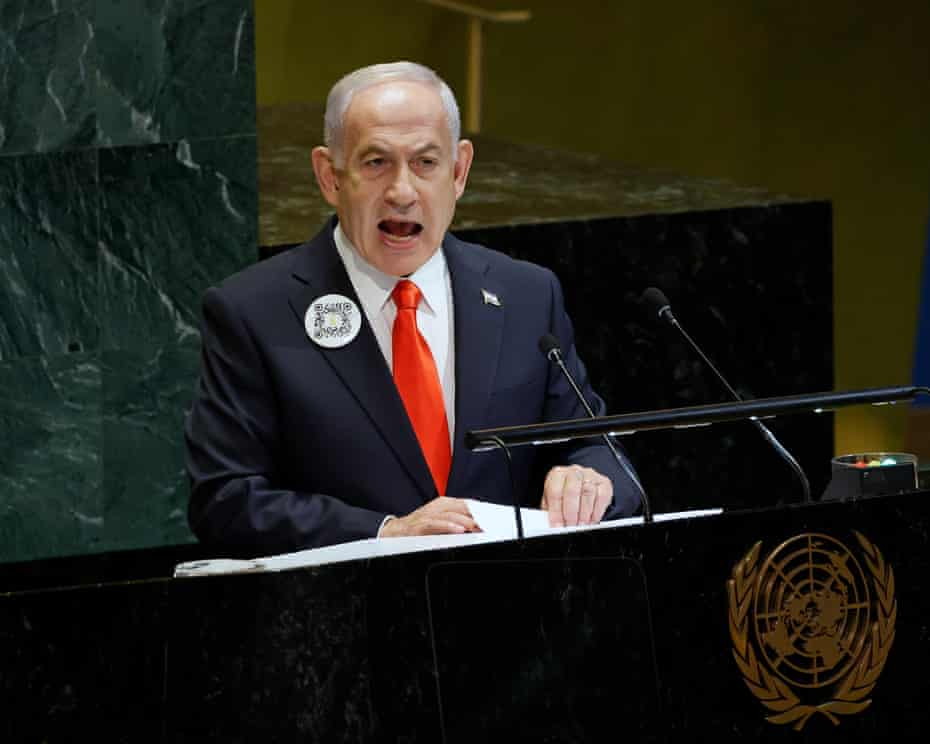
Prime Minister Benjamin Netanyahu added fuel to the debate last Friday when he addressed the United Nations in New York. Speaking to a hall where many delegates had walked out, he denounced the recent recognition of a Palestinian state by the United Kingdom, France, Canada, Portugal, and Australia, describing it as a dangerous reward for Hamas. Israeli commentators noted that his speech was directed mainly at his supporters at home and at US President Donald Trump, with whom he is expected to meet.
For much of the Israeli public, Netanyahu’s warning earlier this month that isolation could last for years was not surprising. A recent poll showed that many citizens now fear traveling abroad due to security risks and rising hostility. The government itself has cautioned that Israeli travelers could face attacks overseas around the anniversary of the October 7, 2023 Hamas assault, which killed 1,200 people, including dozens in Sderot.
International pressure is growing in various sectors. Thousands of actors and filmmakers worldwide have pledged not to work with Israeli film institutions, accusing them of being tied to the war in Gaza. Others in the industry, however, argue that Israeli filmmakers often speak out against government policies. Artists like Addam Yekutieli in Tel Aviv, who openly oppose the war and the decades-long occupation of Palestinian land, believe criticism often leads Israelis to become defensive rather than reflective.
Polls reveal deep divisions inside Israel. While 59 percent of citizens said they worry about the country being banned from cultural and sporting events, concern was much stronger among opposition supporters. Half of respondents also said they want the fighting in Gaza to stop in order to prioritize the release of hostages.
Some analysts have compared Israel’s situation to apartheid-era South Africa, which eventually collapsed under international sanctions despite years of US support. The comparison remains controversial, but writers like Itamar Eichner argue that Israel faces a choice similar to South Africa’s—whether to continue its current path or to seek lasting solutions.
For now, strong foreign sanctions remain distant, and Israel’s economy has shown resilience due to large amounts of government spending financed by borrowing. Yet experts warn that public opinion abroad has shifted and that Israel cannot ignore the growing tide of isolation forever.