
By Abasi Ita
In a significant step toward youth empowerment in the green sector, the Cross River State Government has intensified its “waste-to-wealth” initiative, training young people on recycling, upcycling, and green entrepreneurship as part of the state’s transition to a circular economy.
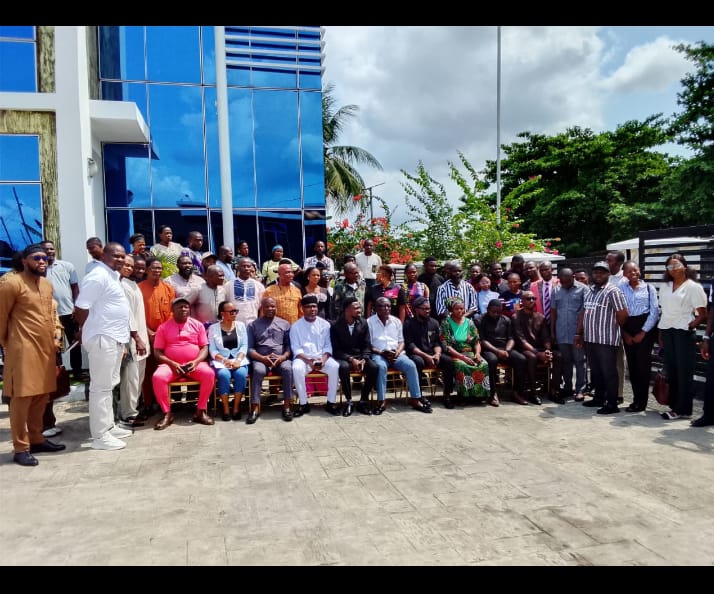
The two-day capacity-building workshop, themed “Transforming Waste to Wealth & Transitioning to a Circular Economy,” attracted participation from government officials, the Recyclers Association of Nigeria (RAN), and the United Nations Children’s Fund (UNICEF), which funded the program to provide hands-on learning experiences for youths across Cross River State.
Delivering the keynote address, Commissioner for Environment, Moses Osogi, described the workshop as a turning point in the state’s environmental and economic journey. He said the initiative seeks to ignite a revolution of green entrepreneurship among youths under Governor Bassey Otu’s “People First” agenda.
“The state must shift from seeing waste as a burden to recognizing it as a reservoir of untapped economic value in the face of climate realities,” Osogi said. He explained that Cross River is adopting a circular economy model promoting reuse, recycling, and reintegration of waste into production systems. He highlighted innovations under the UNICEF project, including converting plastic waste into interlocking tiles and construction materials.
In a goodwill message, Chief of Field Office, UNICEF Enugu, Mrs Juliet Chiluwe, said, “By investing in green entrepreneurship, forest monitoring, and sustainable plastic management, we are ensuring that the children and youth of Cross River State inherit thriving forests, a cleaner environment, and the skills necessary to thrive in a changing global economy.”
Chiluwe explained that forest monitoring training uses data-driven approaches to track forest health, identify illegal activities, and implement reforestation strategies, bridging government enforcement and community-led advocacy to curb deforestation, illegal logging, and climate-induced degradation.
Facilitators from the Recyclers Association of Nigeria, including Vice President Victor Okunola, emphasized that Cross River generates about 79,000 tonnes of waste annually, presenting vast opportunities for job creation and enterprise growth. Okunola urged stronger policies, tax incentives, and investment in recycling infrastructure to expand the sector, while RAN executive member Ola Oluwaseyi stressed the dangers of marine litter and the need for effective policy enforcement.
Director General of the state Waste Management Agency, Patrick E. Egbede, added that a circular economy can drive job creation, innovation, and revenue generation for the state. Participants agreed that sustained partnerships, youth engagement, and effective policy implementation are critical to transforming waste into wealth in Cross River State.