
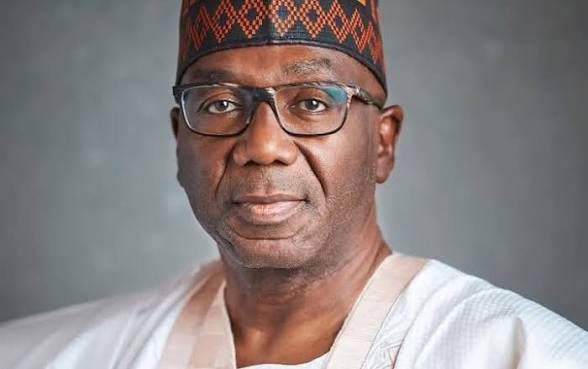
The Chairman of the Nigeria Governors’ Forum (NGF) and Kwara State Governor, AbdulRahman AbdulRazaq, has disclosed that state governors initially feared nationwide unrest following President Bola Tinubu’s decision to remove fuel subsidy in 2023, prompting emergency security preparations across the country.
Speaking at a meeting with the President and fellow governors at his Lagos residence on Friday, Abdulrazaq said the expectation at the time was that the policy would spark riots, but the anticipated breakdown of law and order never occurred.
According to him, the governors first received news of the subsidy removal while on an official visit to China, through calls from the National Security Adviser and the Director-General of the Department of State Services, who informed them that the decision was final.
He explained that the development triggered immediate concern among governors, who were taken aback by the announcement.
“We were alarmed. I informed my colleagues in the NGF and the reaction was disbelief,” he said.
Abdulrazaq added that some governors, including Babajide Sanwo-Olu of Lagos State and the then Kaduna State governor, held discussions while abroad and agreed that a direct engagement with the President was necessary to reconsider or clarify the policy.
He noted that an attempt to raise the issue during a dinner with Tinubu ultimately did not materialise.
“When we met for dinner, we intended to discuss it, but as the evening progressed and we listened to his vision, the conversation never came up,” he said.
Following the meeting, the governors reportedly returned with expectations of possible unrest and advised themselves to activate State Security Council meetings in preparation for potential protests.
“We anticipated serious disruptions and took precautionary steps across states. Surprisingly, nothing happened. There were no riots or protests anywhere,” he said.
He attributed the calm response to what he described as the public’s surprise at the boldness of the policy decision.
On the economic impact, the NGF chairman said states previously struggled with limited funds after salary payments from Federation Account allocations, sometimes left with insufficient resources for capital projects.
He noted that many state governments were compelled to rely on borrowing to finance infrastructure development at the time.
According to him, the situation has improved, with states now reducing debt obligations and in some cases clearing existing loans.