
Nigeria’s non-oil trade with the United Arab Emirates has risen to $5 billion in 2025, up from $4.3 billion recorded in 2024, reflecting stronger economic cooperation between both countries.
The development coincided with fresh moves by the UAE to expand its financial and aviation presence in Nigeria, including plans to establish First Abu Dhabi Bank in Lagos and the introduction of Etihad Airways flights to Abuja within the year.
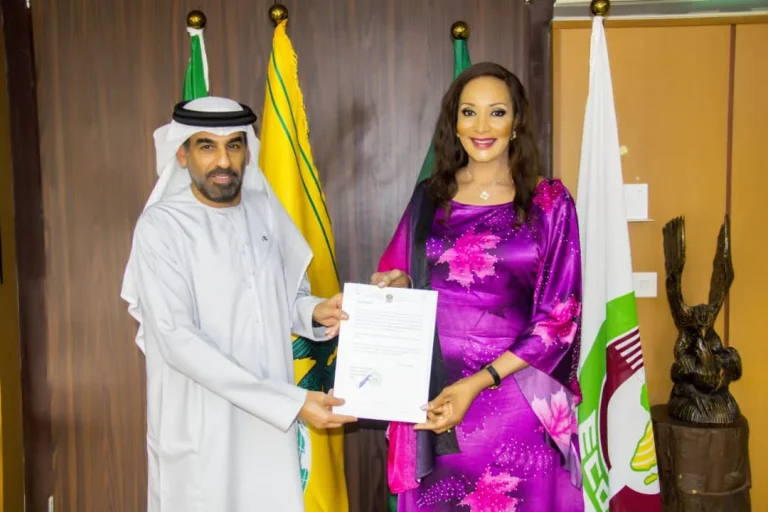
The UAE Ambassador to Nigeria, Salem Saeed Al-Shamsi, disclosed this during a meeting with the Minister of Foreign Affairs, Ambassador Bianca Odumegwu-Ojukwu, in Abuja.
According to a statement on Sunday by Magnus Eze, Special Assistant on Communication and New Media to the Foreign Affairs Minister, Al-Shamsi said bilateral economic relations had continued to grow steadily, especially in non-oil sectors.
He noted that trade between both nations had moved from $4.3 billion in 2024 to $5 billion in 2025, with projections suggesting it could reach about $8 billion by 2027.
The envoy also revealed that visa restrictions affecting Nigerian travellers had been significantly relaxed, adding that rejection rates had dropped and movement between both countries had improved.
He stated that over 15,000 Nigerians visited the UAE in the past year following the easing of travel conditions.
Al-Shamsi further reaffirmed the UAE’s commitment to supporting Nigeria in its counter-terrorism efforts, noting that his government had issued multiple statements condemning terrorist incidents in the country.
During the visit, he also delivered a congratulatory message from the UAE Deputy Prime Minister and Minister of Foreign Affairs, Sheikh Abdullah bin Zayed Al Nahyan, to Odumegwu-Ojukwu on her appointment.
In response, the Foreign Affairs Minister said Nigeria remained open to foreign investment, including capital from UAE sovereign wealth funds and private investors.
She expressed satisfaction over improved visa relations, noting that most earlier concerns had been resolved through diplomatic engagement.
Odumegwu-Ojukwu also highlighted progress in bilateral trade, describing the growth from $4.3 billion to over $5 billion as evidence of stronger cooperation.
She reiterated Nigeria’s commitment to the full implementation of the Comprehensive Economic Partnership Agreement between both countries, saying it would expand opportunities for businesses, professionals, and workers in both nations.