
By Gabriel Atumeyi
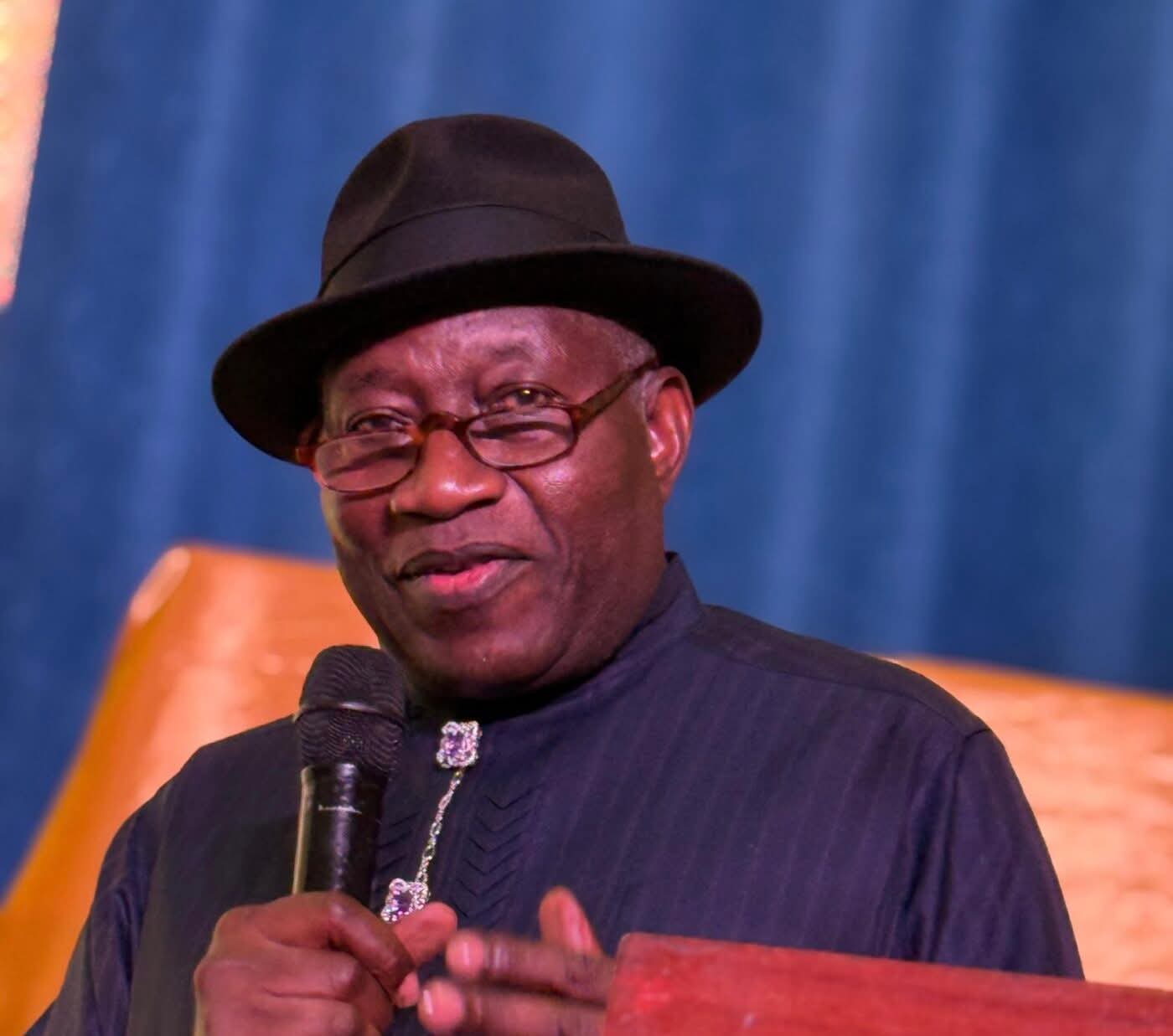
Nigeria is a country searching for direction. Across the nation, frustration hangs in the air. Families struggle with the rising cost of living. Businesses battle uncertainty. Communities live under the shadow of insecurity. For many Nigerians, hope has become increasingly difficult to find. After more than a decade under the APC, the promises of renewed prosperity and national transformation have largely given way to economic hardship, deepening division, and growing public disappointment. The country is not merely looking for another politician; it is looking for a steady hand. That is why the conversation about the possible return of former President Goodluck Ebele Jonathan deserves serious attention.
Whether one supported him in the past or not, there is a compelling argument that Nigeria may need Jonathan once again.
The Nigerian presidency is not a position for on-the-job training. It is one of the most demanding leadership roles on the continent. When Jonathan assumed office in 2010, he inherited a nation facing enormous challenges. During his years in power, Nigeria confronted a global economic downturn, the Ebola outbreak, and the growing threat of insurgency in the North-East. The challenges were immense, and while his administration was not without flaws, he governed through some of the country’s most difficult moments.
Today, Nigeria needs stability more than experimentation. Jonathan understands the presidency because he has lived it. He knows the pressures, the complexities, and the consequences of every major decision. In a time of uncertainty, that experience matters. No government is perfect, and Jonathan’s administration certainly faced criticism. Yet many Nigerians now look back on those years with a renewed sense of perspective.
During his tenure, Nigeria rebased its GDP and briefly emerged as Africa’s largest economy. Agricultural reforms helped millions of farmers gain direct access to fertilizer and farming support. Efforts were made to modernize infrastructure and reform the power sector. Were there shortcomings, absolutely. But compared with the economic realities many Nigerians face today—soaring inflation, a weakened currency, shrinking purchasing power, and rising debt—the Jonathan years increasingly appear to have been a period of relative stability and growth.
The lesson is not that everything was better. The lesson is that governance requires balance, and Jonathan demonstrated an ability to manage the economy without placing unbearable pressure on ordinary citizens.
If there is one moment that defines Jonathan’s legacy, it happened in March 2015.
As election results indicated that he would lose his bid for re-election, he made a decision that changed Nigerian democracy forever. Before the final announcement was even completed, he called Muhammadu Buhari and conceded defeat.
It was a simple phone call.
But it prevented tension, calmed fears, and strengthened democratic norms in a country where elections had often been accompanied by uncertainty and violence.
Many leaders fight to stay in power at all costs. Jonathan walked away peacefully. That decision earned him something far greater than political office—it earned him the respect of history.
Unlike many former leaders who disappear from public life after leaving office, Jonathan remained active on the continental stage.
Over the past decade, he has served as an election observer, mediator, and diplomatic envoy across Africa. He has participated in efforts to promote peace, democratic governance, and political stability in several countries.
Those experiences have expanded his perspective and strengthened his international standing.
At a time when Nigeria’s influence within organizations such as Economic Community of West African States and the African Union faces new challenges, Jonathan brings a level of diplomatic credibility that few Nigerian politicians can match.
He is known, respected, and trusted in international circles. That matters in a world where economic partnerships, regional security, and foreign investment increasingly depend on personal relationships and diplomatic confidence.
Nigeria today feels more polarized than it has in decades. Ethnic tensions, religious suspicion, and regional grievances continue to shape political conversations. Every election seems to deepen old wounds rather than heal them.
Jonathan occupies a unique position in the national landscape. He is a son of the Niger Delta, yet his political appeal has never been confined to one region. He does not belong to a powerful political dynasty. He is not widely seen as the instrument of any single ethnic, religious, or regional bloc. That independence may be one of his greatest strengths.
At a moment when Nigerians are searching for common ground, Jonathan represents the possibility of leadership that speaks to the entire federation rather than a narrow constituency.
Perhaps the strongest argument for Jonathan’s return is that he is not the same man who left office in 2015.
The years outside power have given him time to reflect, learn, and observe Nigeria from a different perspective. He has watched administrations succeed and fail. He has engaged with leaders across continents. He has gained insights that only time can provide.
Unlike politicians still driven by ambition alone, Jonathan would return with little left to prove personally. His legacy is already secure.
A second chance at leadership would be about service, not self-validation.
The strongest criticism of a Jonathan comeback is simple: he has already had his turn. That is a fair argument. But nations do not choose leaders based on sentiment. They choose leaders based on the demands of the moment. And the reality is that millions of Nigerians are asking whether the country can continue on its current path. The question is no longer whether Jonathan once served as president. The question is whether his experience, temperament, democratic credentials, and international stature make him the right person for this particular moment in Nigeria’s history.
Many believe the answer is yes. Goodluck Jonathan is not a perfect man. No leader is. But in a season defined by uncertainty, division, and hardship, he may offer something Nigeria desperately needs: stability, maturity, and the ability to bring people together. The road back to Aso Rock would not be easy. But if Jonathan decides to answer the call, he would not be returning as a politician seeking power. He would be returning as a statesman seeking to help a nation find its footing once again.
Gabriel Atumeyi is a political analyst and commentator, and he writes from Abuja