
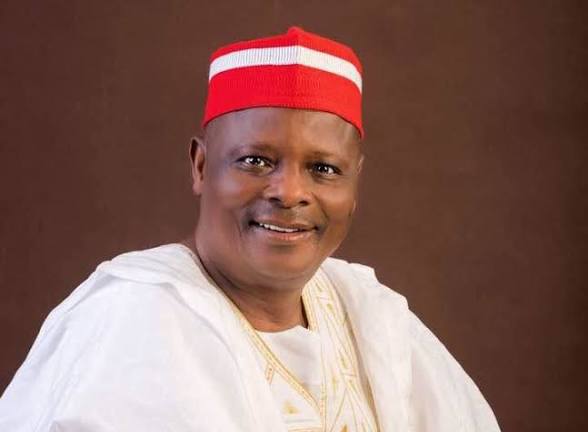
Nigeria Democratic Congress (NDC) has denied reports suggesting that its vice-presidential candidate, Senator Rabiu Kwankwaso, threatened to leave the party over disagreements surrounding the selection of candidates in Kano State.
Speaking during an interview on Arise News on Saturday, the party’s National Publicity Secretary, Osa Director, described the reports as unfounded, insisting that Kwankwaso had never considered abandoning the party.
According to him, the speculation was being driven by political opponents seeking to portray the NDC as divided.
“At no time did our leader, Kwankwaso, threaten to leave the party. Those claims are mere conjectures and media speculations aimed at discrediting us, and we know where they are coming from,” he said.
The denial follows reports that tensions emerged after the party reviewed its list of candidates in Kano State, replacing some nominees originally put forward by the Kwankwasiyya movement, the political bloc loyal to the former Kano State governor.
Documents reportedly signed by the NDC’s Kano State Chairman, Hussaini Mairiga, indicated that the adjustments were made to preserve an existing power-sharing arrangement between the Kwankwasiyya bloc and the party’s original structure in the state.
Under the agreement, the Kwankwasiyya group was allocated 60 percent of party positions and elective tickets, while the remaining 40 percent went to the existing NDC structure.
The changes sparked speculation that Kwankwaso might reconsider his membership if members of his political camp were sidelined.
However, party officials maintained that no such threat had been made, adding that consultations were ongoing to address concerns arising from the nomination process.
Director noted that disagreements over candidate selection are common in political parties, especially within a growing coalition preparing for a major election.
He cited an example from Delta State, alleging that an incumbent politician backed several aspirants against Collins Edema, stressing that such disputes were part of internal party politics rather than signs of collapse.
The NDC, established in 2026, has emerged as one of the opposition parties preparing for the 2027 general elections. Its presidential ticket, pairing former Anambra State governor Peter Obi with Kwankwaso, has attracted significant national attention.
Director said the party remained committed to resolving internal disagreements through dialogue while strengthening its structures ahead of the polls.
“There are challenges, but they are normal in party-building. We remain committed to resolving issues through dialogue and moving forward together,” he stated.