
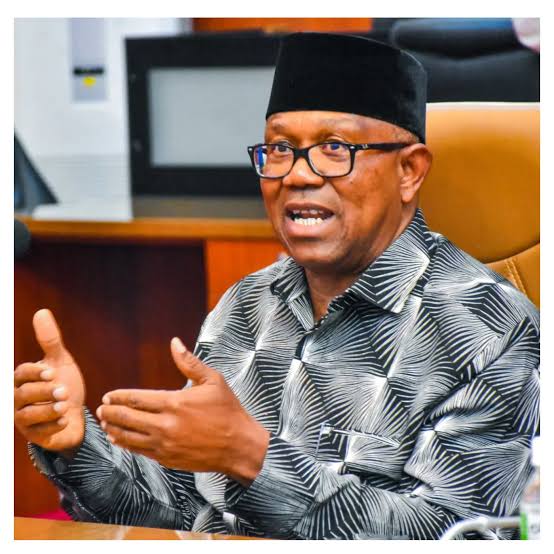
Presidential candidate of the Nigeria Democratic Congress (NDC), Peter Obi, has commended the successful implementation of the prisoner transfer agreement between Nigeria and Ethiopia, describing it as a compassionate step towards protecting the rights and welfare of Nigerians abroad.
In a statement shared on his X account on Monday, Obi praised the efforts of the Minister of Foreign Affairs, Bianca Odumegwu-Ojukwu, the Attorney-General of the Federation and Minister of Justice, Lateef Fagbemi, alongside Ethiopian authorities, for facilitating the transfer process.
According to him, the agreement demonstrates the duty of governments to safeguard the dignity and well-being of their citizens, irrespective of where they reside.
Despite welcoming the development, Obi expressed concern over reports that at least four Nigerians died in Ethiopian custody before the transfer arrangement was concluded.
He described the deaths as a painful reminder of the human consequences of prolonged administrative and diplomatic processes, noting that several families were left to mourn loved ones who died far from home.
The former Anambra State governor urged Nigerians to reflect on the circumstances that pushed many of the affected inmates to seek opportunities outside the country. He observed that most of them were young people who travelled abroad in pursuit of better economic prospects.
While stressing the importance of obeying the laws of foreign countries, Obi questioned the socio-economic challenges that continue to drive many Nigerian youths into difficult situations overseas.
He argued that sustainable solutions lie in creating employment opportunities, expanding access to quality education, and building a society where hard work and productivity are rewarded.
Obi also called for proper rehabilitation and reintegration programmes for the inmates returning to Nigeria, emphasising that the process should go beyond their transfer and focus on helping them rebuild their lives.
He said that the agreement should serve as both a humanitarian intervention and a wake-up call for the country to address the underlying issues fueling migration among its young population.