
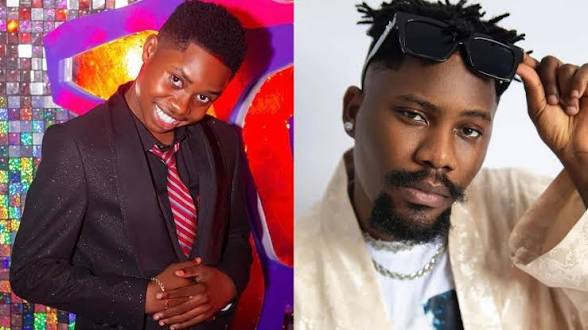
Nigerian rapper Ycee has stirred controversy online after commenting on what he described as a growing “Olodo Uprising” in the country, a phrase he used to criticise what he sees as a decline in educational values and the rising glorification of internet fame over academic excellence.
Speaking on the Afropolitan Podcast, the rapper expressed concern that intelligence and formal education are becoming less valued in society, while viral content and online popularity are increasingly being rewarded.
According to him, Nigeria’s education system is already struggling due to issues such as insecurity, weak leadership, and a general shift in attitude toward learning. He argued that academic achievement is no longer celebrated the way it once was.
Ycee further claimed that social media influence is now shaping young people’s ambitions, noting that many are more interested in online fame than acquiring skills or completing their education. He also referenced what he called “Peller culture,” suggesting a trend where controversial or unserious content is rewarded online.
Clarifying his stance, the rapper said his comments were not aimed personally at TikTok creator Peller, but at a wider cultural shift.
He added that while content creation is a valid way to earn a living, it may not offer long-term stability compared to education and skill development.
However, his remarks quickly triggered backlash on social media after many users interpreted them as a direct attack on Peller and the influencer community.
Peller responds sharply
TikTok streamer Peller reacted strongly on Instagram Stories, accusing the rapper of disrespecting him publicly and dragging his name into the discussion unnecessarily.
He criticised Ycee’s choice of words, saying he could have made his point without mentioning individuals. He also dismissed the comments as offensive, sparking further debate among followers of both personalities.
Jarvis joins the conversation
AI content creator and Peller’s fiancée, Jarvis, also weighed in, defending content creators and questioning the relevance of formal education in Nigeria’s current economic situation.
She stated that despite graduating from university, job opportunities remain limited, forcing many young people to explore alternative means of survival.
According to her, content creation has become a legitimate source of income for many Nigerians and should not be dismissed simply because it does not follow traditional career paths.
She also praised digital platforms for creating opportunities that allow young people to earn independently, especially in a challenging economy.
Wider reactions and ongoing debate
The exchange has since escalated into a broader national discussion about education, unemployment, and the rise of digital careers in Nigeria.
Peller, known for his energetic TikTok livestreams and controversial online presence, has often faced criticism over his views on education and content style, while also maintaining a large fan base.
In previous instances, he has been involved in debates around academic qualifications and job recruitment practices in the content creation space, which have repeatedly sparked public backlash and support in equal measure.