
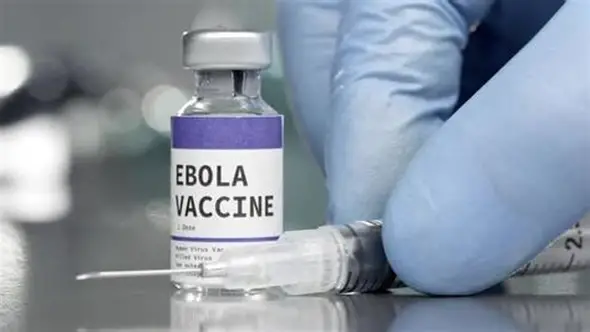
Moderna has commenced a Phase 1 clinical trial of its experimental vaccine developed to protect against Bundibugyo ebolavirus, a move described as a major milestone in efforts to combat the strain responsible for the ongoing Ebola outbreak in the Democratic Republic of the Congo (DRC).
The Coalition for Epidemic Preparedness Innovations (CEPI) announced on Tuesday that the first participant had received a dose of Moderna’s mRNA-1469 vaccine during the trial, which is being conducted at three research sites in Canada.
According to CEPI, the early-stage study is designed to evaluate the vaccine’s safety, tolerability, and its ability to trigger an immune response in healthy adult volunteers.
The coalition said the trial comes at a time when the DRC continues to battle a severe Ebola outbreak, with thousands of infections and more than 1,700 reported deaths.
The World Health Organisation (WHO) had declared the outbreak a Public Health Emergency of International Concern on May 17, describing it as the second-largest Ebola outbreak ever recorded.
CEPI noted that although approved vaccines are available for the Zaire ebolavirus strain, there is currently no licensed vaccine for Bundibugyo ebolavirus, creating a major gap in global preparedness.
The Canadian trial is expected to involve about 80 healthy adults and will determine whether the vaccine can generate sufficient immune responses to support further clinical development.
Moderna’s vaccine candidate uses messenger RNA (mRNA) technology, the same platform used in developing its COVID-19 vaccine.
CEPI disclosed that it has committed up to $50 million to support the vaccine’s pre-clinical research, Phase 1 trial, and production of additional doses needed for future studies.
The organisation said the funding would help accelerate larger efficacy trials if the initial safety and immune response results prove successful.
It added that Moderna has pledged to provide rapid access to the vaccine for affected countries if it receives regulatory approval, including making at least 500,000 doses available to low- and middle-income nations through access pricing arrangements.
CEPI Chief Executive Officer, Richard Hatchett, said moving the vaccine candidate into human trials represented a significant achievement in the global fight against Ebola.
“Getting Moderna’s vaccine candidate into a Phase 1 trial this rapidly is a major step forward in the fight against this deadly outbreak,” Hatchett said.
He explained that CEPI’s strategy involves supporting multiple vaccine candidates simultaneously to increase the chances of producing an effective vaccine.
Other candidates being supported by CEPI include two recombinant vesicular stomatitis virus (rVSV)-based vaccines developed by IAVI, with manufacturing support from Hilleman Laboratories and Public Health Vaccines.
The coalition is also backing a vaccine candidate developed by the University of Oxford using the ChAdOx viral-vector platform and produced by the Serum Institute of India, which is already undergoing Phase 1 testing.
Meanwhile, Moderna Chief Executive Officer, Stéphane Bancel, described the first participant’s vaccination as an important step towards developing a preventive tool against Bundibugyo ebolavirus.
He said the milestone was significant because there is currently no approved vaccine available for the virus strain.
(NAN)