
By Achile Danjuma
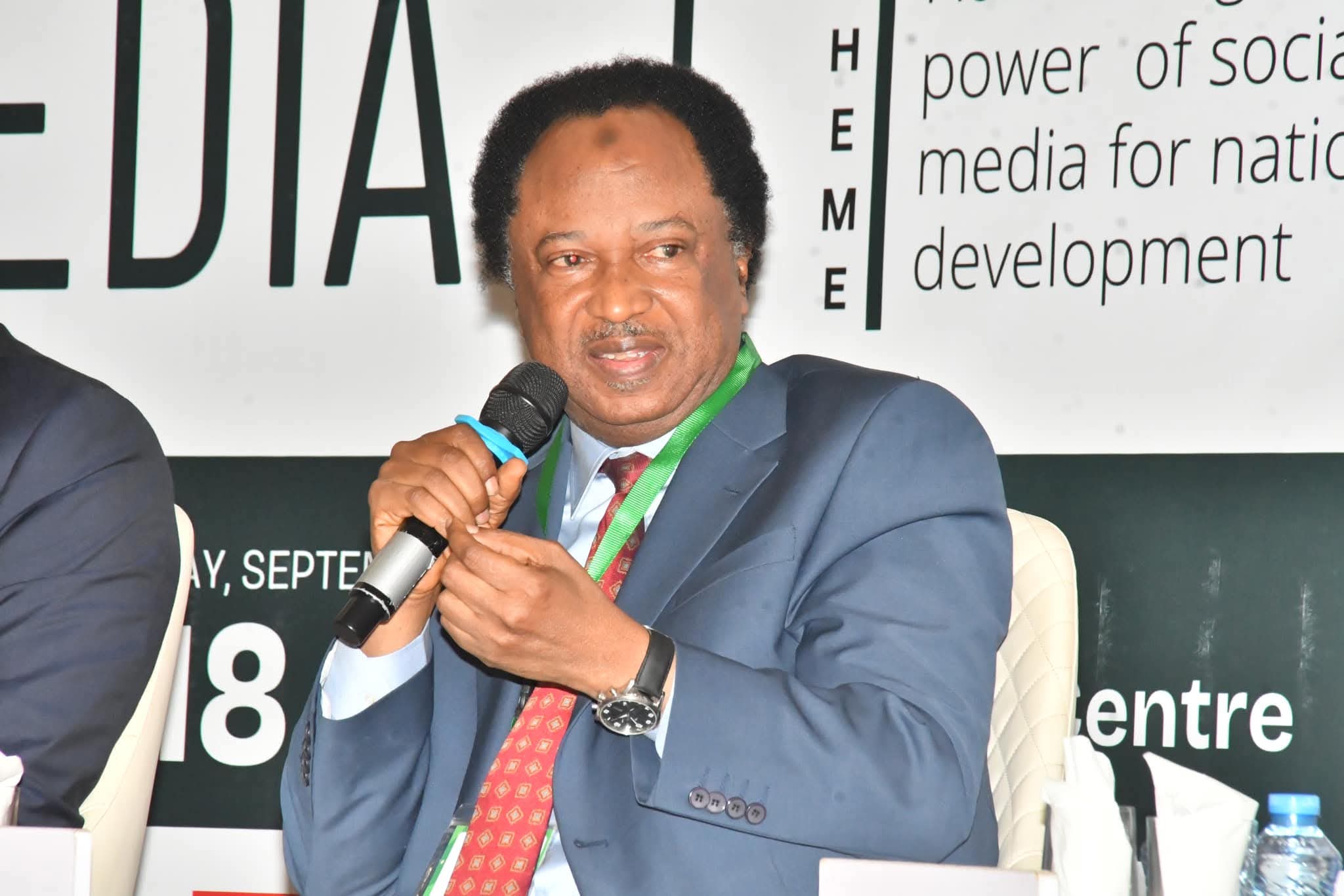
The escalating cost of healthcare in Nigeria has reached a critical inflection point, with private hospitals in the Federal Capital Territory now reportedly resorting to security protocols to prevent patients from absconding at night without settling their bills. This stark reality was brought to light on Thursday by former Kaduna Central Senator, Shehu Sani.
In a post on his Facebook page, Sani described witnessing the practice firsthand during a visit to a private clinic in Abuja.
“Some Abuja private hospitals have started taking security measures to ensure that patients don’t escape at night without completely settling their bills. That’s the case when I visited one of the private clinics today,” he wrote.
While he refrained from naming the facility or detailing the specific security steps, his observation underscores a deepening national crisis where medical care is rapidly becoming a luxury, trapping families between the desperation for treatment and the burden of debt.
This practice is merely the symptom of a systemic failure where the rising costs of drugs, diagnostic scans, surgery, and hospital admission fees are pushing citizens to the brink. For many, the choice is no longer between private and public care, but between treatment and survival.
While patients suffer, health workers argue that hospitals are also struggling under the weight of economic headwinds. With inflation eroding the naira’s value, forex challenges limiting the import of medical supplies, and the removal of fuel subsidies impacting logistics and energy costs, the operational expenses for healthcare facilities have more than doubled in the last 18 months.
While on the other hand, a health practitioner, Ummee Manson, painted a stark picture of Nigeria’s healthcare burden, citing the ordeal of a fictional mother, Mama Chinedu, who had to sell her earrings and borrow money to raise ₦185,000 for her children’s malaria treatment—a bill that, despite saving the children, left the family skipping meals for weeks.
The practitioner noted that this experience mirrors the reality for millions, as it’s documented that in 2024, out‑of‑pocket spending still accounted for 58.3% of total health expenditure, meaning families directly bear the cost of drugs, tests, and hospital care.
The practitioner further warned that such high financial exposure pushes over one million Nigerians into poverty each year, since a single illness can deplete savings, create crushing debt, or force households to abandon care altogether, locking them in a relentless cycle of worsening health and economic distress.
The statistics paint a grim picture of a broken system. Recently released data from the National Bureau of Statistics (NBS) indicates that out-of-pocket spending still accounts for over 70% of total health expenditure in Nigeria. With most families lacking any form of health insurance, they are left to pay directly for services, often depleting their life savings in the process.
In response, both the Nigerian Medical Association (NMA) and various patient advocacy groups are renewing their calls for urgent government intervention. They urge the Federal Government to aggressively expand the National Health Insurance Scheme (NHIS) to cover a larger percentage of the population and to regulate the prices of essential medicines to curb exploitation.
For now, however, survival often depends on the kindness of strangers. Many Nigerians are forced to resort to crowdfunding, church donations, and social media appeals to raise funds for life-saving procedures—a precarious lifeline that is not available to everyone.
Health economists and medical professionals warn that without comprehensive reforms, the trend will only worsen, and until structural changes are made, the haunting reality remains: for millions of Nigerians, a hospital bed is a financial gamble, and the price of life is becoming too high to pay.