
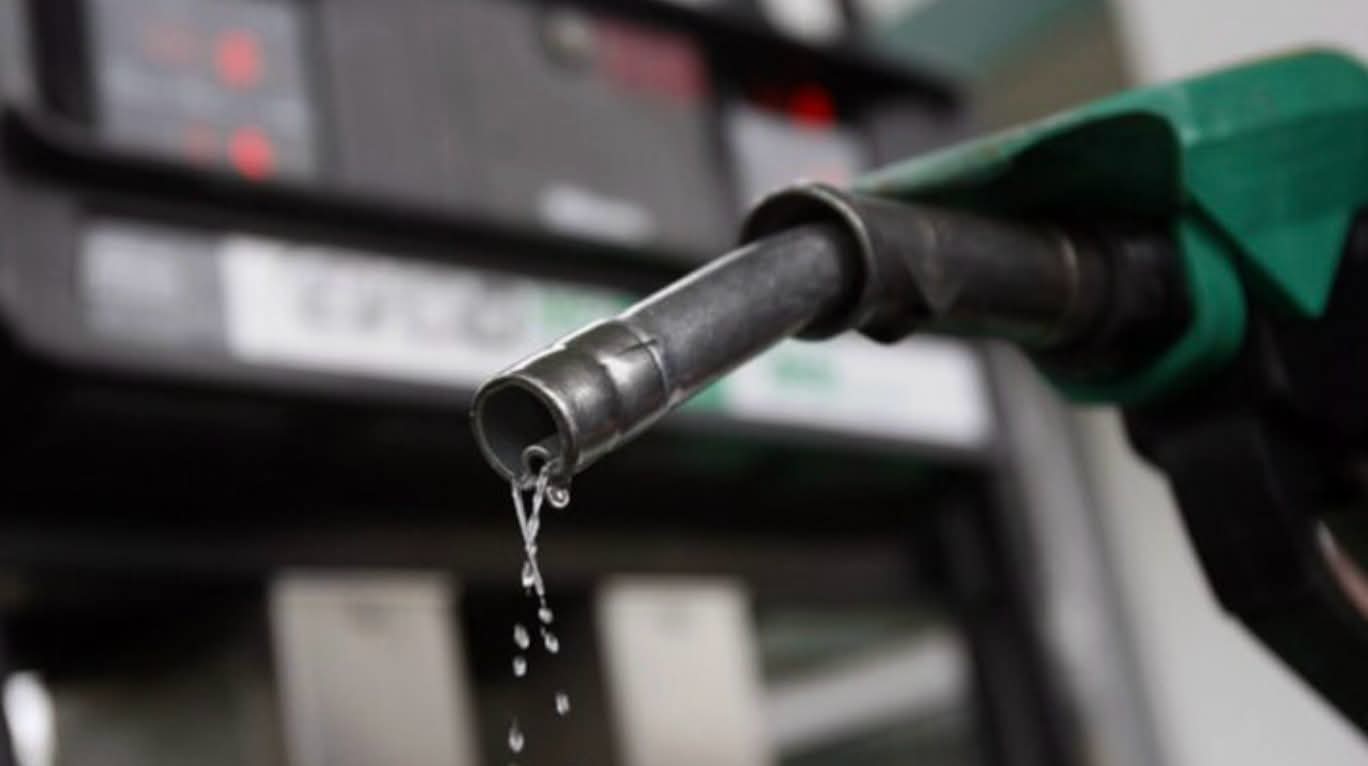
The Crude Oil Refinery-Owners Association of Nigeria (CORAN) has called for the progressive reduction in the importation of petroleum products, saying imports should be restricted mainly to meeting domestic supply gaps and strategic stock needs.
Momoh Oyarekhua, president of the association, made the proposal at the 3rd Nigeria Oil Refining Summit in Lagos on Monday.
“Progressive reduction of petroleum-product imports, with imports increasingly restricted to objectively determined domestic supply shortfalls and strategic-stock requirements,” he said.
Oyarekhua said domestic refining has made significant progress, but noted that challenges remain despite Nigeria’s crude oil resources.
“Despite our abundant crude resources, some domestic refineries continue to face difficulties accessing crude oil on commercially viable terms. At the same time, fuel imports persist while local refining capacity remains underutilised,” he said.
“Refining for value means more than producing fuel. It means retaining foreign exchange, creating jobs, developing local expertise, supporting petrochemicals and manufacturing, and capturing greater economic value within Nigeria.”
To address the challenges, Oyarekhua outlined priorities for strengthening Nigeria’s refining industry and ensuring that local crude production translates into greater economic value.
He proposed the full institutionalisation of naira-for-crude, with transparent eligibility and access for qualifying domestic refineries, including modular plants.
“A domestic crude pricing template recognising crude quality, delivery point, avoided international logistics costs and actual domestic evacuation expenses,” Oyarekhua said.
“Strengthened enforcement of the Domestic Crude Supply Obligation under Section 109 of the Petroleum Industry Act while preserving workable commercial arrangements between producers and refiners.
“Crude swaps and proximity-based supply arrangements that allow crude-producing assets located close to domestic refineries to supply those facilities without unnecessary transportation through distant export infrastructure.”
He also called for the creation of a refinery development financing framework to provide long-term funding, guarantees and refinancing options for new refinery projects and capacity expansion.
Oyarekhua proposed the development of shared petroleum-product infrastructure, including pipelines, depots, storage terminals, jetties, rail evacuation systems and other common-carrier facilities.
He also called for strategic petroleum-product reserves to cushion the impact of temporary refinery shutdowns, maintenance activities and disruptions to international supplies.
Oyarekhua urged the government to provide “regulatory and fiscal incentives for refinery expansion, particularly investment in conversion units capable of increasing domestic production of PMS, aviation fuel, LPG and other essential products”.
He proposed a clear domestic refining roadmap with national targets for refining capacity, domestic market share, petroleum-product imports, and eventual export capacity.
Also speaking, Adegbite Falade, chairman of the Independent Petroleum Producers Group (IPPG), said domestic refineries could require more than 1.5 million barrels of crude per day (bpd) in the medium term, depending on rehabilitation progress, expansion activities, operating rates, and the commissioning of more modular refineries.
“It is close to all of Nigeria’s current liquids output which stands at 1.68 million BPD as of August 2026 according to NUPRC’s August monthly production report,” he said.
“Compared to a few years ago, the recovery in production is encouraging, but it is not yet sufficient to declare victory.”
Falade said if domestic refinery demand rises towards 1.5 million bpd while crude production remains around 1.6 million bpd, the production system will have very little room to spare.
The limited supply margin, he said, will have to cover existing export commitments and government revenue requirements, adding that it will also need to accommodate crude-backed financing and joint-venture partner offtake.
Falade said planned and unplanned production outages could further constrain supply, adding that the Organisation of Petroleum Exporting Countries (OPEC) production commitments would also have to be considered.
Other factors, he said, include crude-grade mismatches, terminal and pipeline disruptions, and the need for normal operational flexibility.