
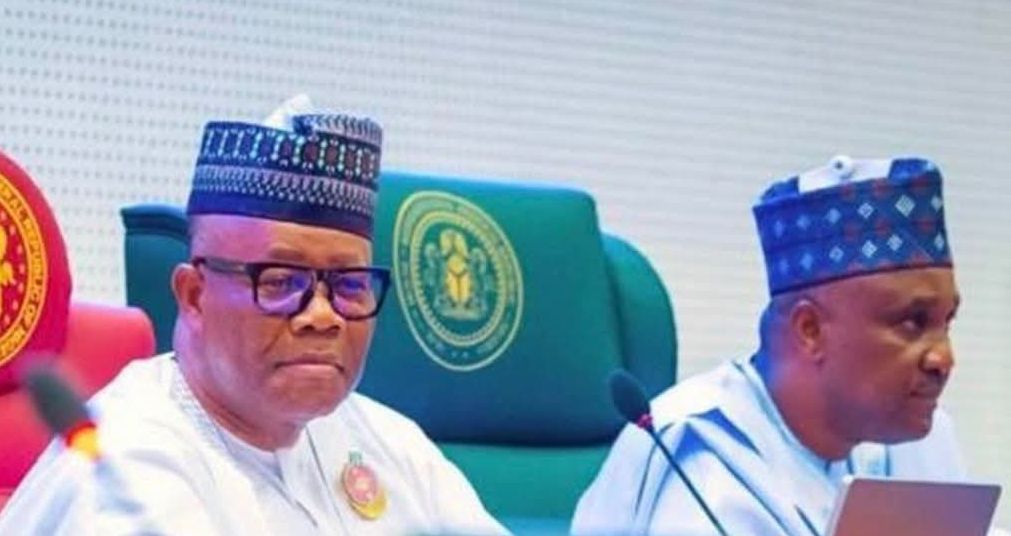
The National Assembly will soon deepen the digitisation of parliamentary records by translating Nigerian laws into Igbo, Hausa, Yoruba and other local languages to expand public access to legislative information.
Henry Nwawuba, the executive secretary of the National Assembly Library Trust Fund, disclosed this while declaring the opening of the 2026 National Assembly Library Week on Monday in Abuja.
Mr Nwawuba said the three-day programme was designed as an annual platform to promote legislative research, access to information, and effective utilisation of the National Assembly Library’s resources.
He described the library as more than a collection of books, saying, “It serves as the knowledge infrastructure of the legislature and a repository of parliamentary records.”
He said the library was working to ensure that lawmakers, legislative aides, researchers and other stakeholders have access to authoritative parliamentary records, including order papers, votes and proceedings, committee reports and Acts passed by the National Assembly.
Mr Nwawuba said the Trust Fund was investing in electronic repositories, upgrading its e-library, and developing a National Assembly Library mobile application to make legislative information more accessible to lawmakers, staff members, researchers and the public.
He also announced plans for a bill tracker that would enable users to follow bills and monitor their progress through the legislative process. According to him, the library is developing infographics, audiovisual materials and video explainers to simplify Bills, Acts and legislative procedures for Nigerians.
He said the planned translation of laws into local languages would broaden access to legislative information and enable more citizens to understand laws that affect their daily lives.
Mr Nwawuba said the library would also organise public policy dialogues to deepen citizens’ participation in public hearings and create more opportunities for interaction among legislators, citizens, researchers and other stakeholders.
He added that the initiatives aimed to address inconsistencies in official parliamentary documents and the circulation of fake or unauthorised copies of National Assembly records.
Senate President Godswill Akpabio urged lawmakers to make greater use of the library, particularly in an era of increasing misinformation, disinformation and the rapid development of artificial intelligence.
Mr Akpabio, represented by Osita Ngwu, described the library as a critical link between evidence, knowledge and legislative decision-making and called for continued support for its development.
The speaker of the House of Representatives, Abbas Tajudeen, represented by the House leader, Julius Ihonvbere, said legislative records were essential to understanding Nigeria’s legislative history and strengthening democratic governance.