
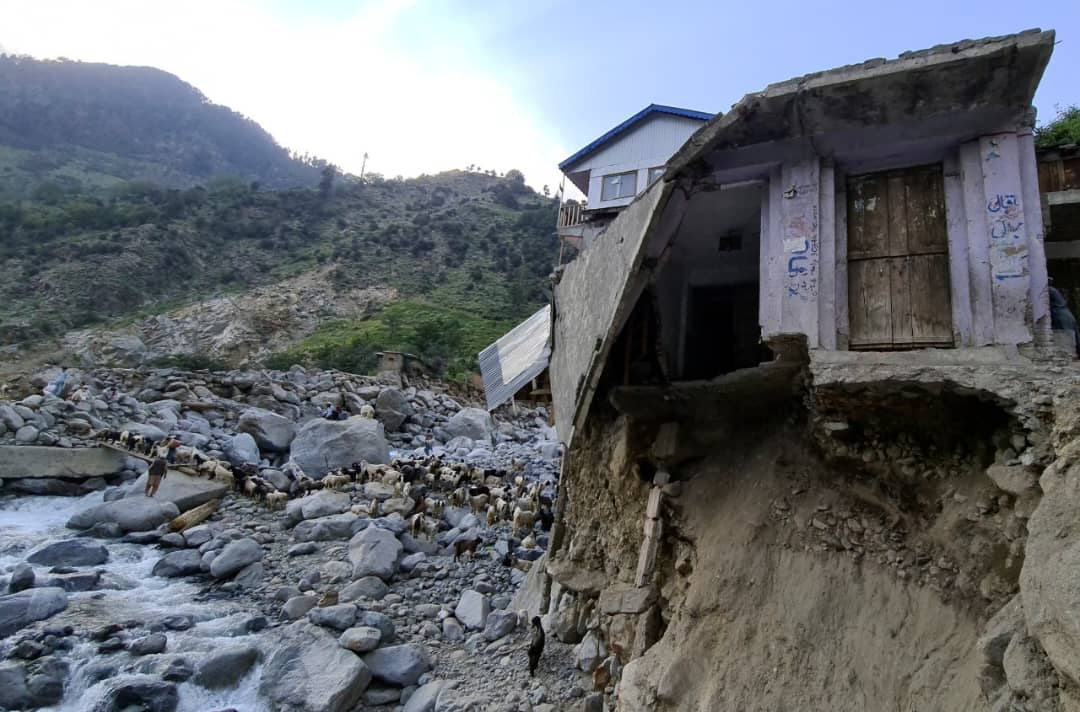
A severe monsoon downpour in Pakistan’s Gilgit‑Baltistan region has triggered multiple landslides, blocking major routes and disrupting fibre‑optic lines.
Thousands of people, including domestic and international tourists, remain stranded along sections of the Karakoram Highway and the Babusar Pass Road.
Road closures include the Achar Nallah section in Kohistan and stretches within Gilgit‑Baltistan, as well as the Baltistan Road and Skardu‑Deosai link.
The Hotu suspension bridge, a key connection for mountaineers heading to K2 base camp, collapsed under flooded meltwater.
Telecommunications also suffered extensive damage.
A main optical fibre cable connecting Gilgit‑Baltistan to the national network was severed by floodwaters, causing mobile and internet services to go offline for several hours.
Emergency satellite arrangements were made, but connectivity remained slow.
The Pakistan Army mobilised engineering units to clear roads and banks.
They restored the Skardu‑Deosai route and other critical links, working overnight with heavy machinery.
Helicopter teams delivered food to roughly 400 tourists stranded near Sadpara in Skardu.
In the Babusar‑Chilas area, flash flooding buried eight tourist vehicles and swept away multiple travellers, leading to at least four deaths, several injuries, and around 15 people still missing.
Authorities believe many of the missing may be tourists.
Local communities opened hotels, mosques, and homes to shelter displaced visitors.
Authorities set up temporary camps and arranged complimentary overnight stays for evacuated tourists in Chilas.
The Gilgit‑Baltistan chief minister declared key areas in the Diamer district as disaster zones.
Government officials pledged to continue rescue operations, airlift stranded individuals, and rebuild infrastructure and essential services including roads, power, and water supplies.