
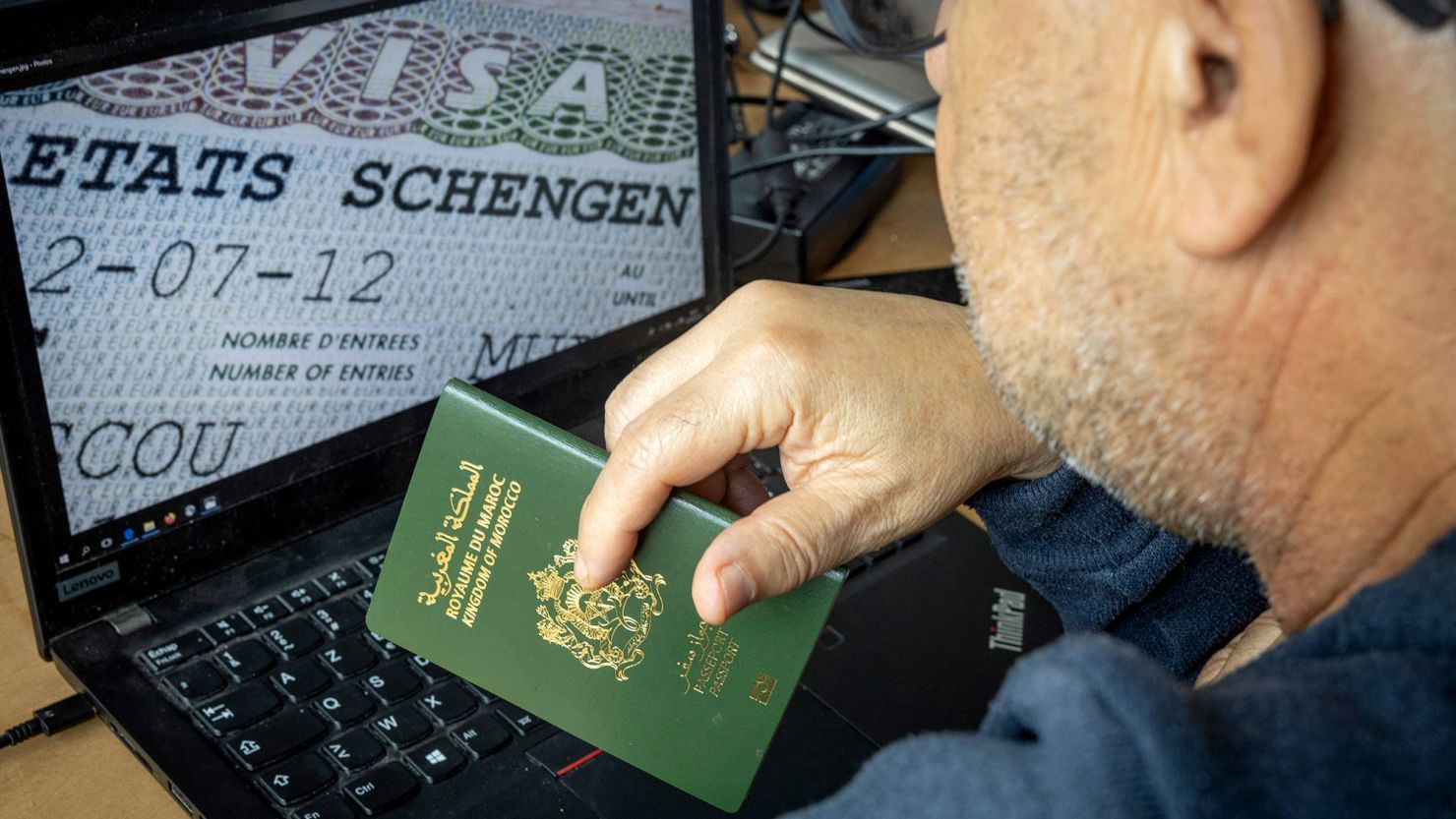
Africans lost nearly 70 million dollars in 2024 after their short-stay visa applications to European countries were turned down.
These fees were paid for Schengen visas, which allow travel to 29 European nations. The money is non-refundable, meaning applicants get no compensation if their visa is denied, no matter the reason.
The situation affected many African countries, but Nigeria was one of the hardest hit. More than 50,000 Nigerians had their applications refused. Each application cost around 100 dollars, adding up to a loss of over 5 million dollars for Nigerians alone. Across the continent, many hopeful travelers were left disappointed, with their travel plans halted and their money gone.
The issue came to light through a detailed study by a London-based group called the LAGO Collective. They have been tracking Schengen visa applications since 2022. Their findings showed that rejection rates in African countries were among the highest in the world. Countries like Ghana, Nigeria, and Senegal had rejection rates nearing half of all submitted applications. This raised concerns about fairness in how applications are handled.
Many applicants had strong reasons for travel, such as business, education, or family visits. Some even submitted more documents than required, including proof of employment, property ownership, and financial records. Still, their applications were declined with little or no explanation. In most cases, they received vague forms listing general reasons for rejection, such as doubts about the purpose of the visit or the traveler’s willingness to return home after the trip.
The financial impact of these denials has been heavy. Each rejected visa fee represents money lost by individuals, many of whom saved for months to afford the cost. These losses add up to what some experts describe as money flowing from poorer nations to wealthier ones, with no return or service provided. For travelers, it is not just about the money—it is about lost opportunities, broken plans, and the emotional toll of rejection.
In some rare cases, applicants have challenged these decisions in court and won. One such case involved a man from Cameroon living in South Africa. Though he had submitted similar documents to his wife, only she was granted a visa. He eventually sued and forced the embassy to issue him a visa and pay damages. However, most Africans denied visas do not take legal action. They either give up or apply again, paying the same fee and risking another rejection.
European authorities have defended their process, saying that each application is judged on its own merits. They consider factors such as the traveler’s reason for visiting, financial stability, and ties to their home country. But with rejection rates so high in African countries and little clarity on why some are approved and others denied, many believe the system is unfair.
The visa rejections have also affected events and businesses. Some applicants missed important meetings, job interviews, or international conferences. Others canceled long-awaited visits to family members. Despite submitting all required documents, they were told their purpose of travel was not clear or their intentions could not be trusted.
Visa fees increased in mid-2024, making the cost of applying even higher. This added to the frustration of many who already felt that the process lacked transparency. With more people traveling globally for work, study, or personal reasons, there is growing pressure on European governments to make their visa systems more balanced and clear.
While there is no sign yet of a change in policy, the issue continues to spark debate. For thousands across Africa, the cost of applying for a European visa has become a gamble they cannot afford to lose again.