
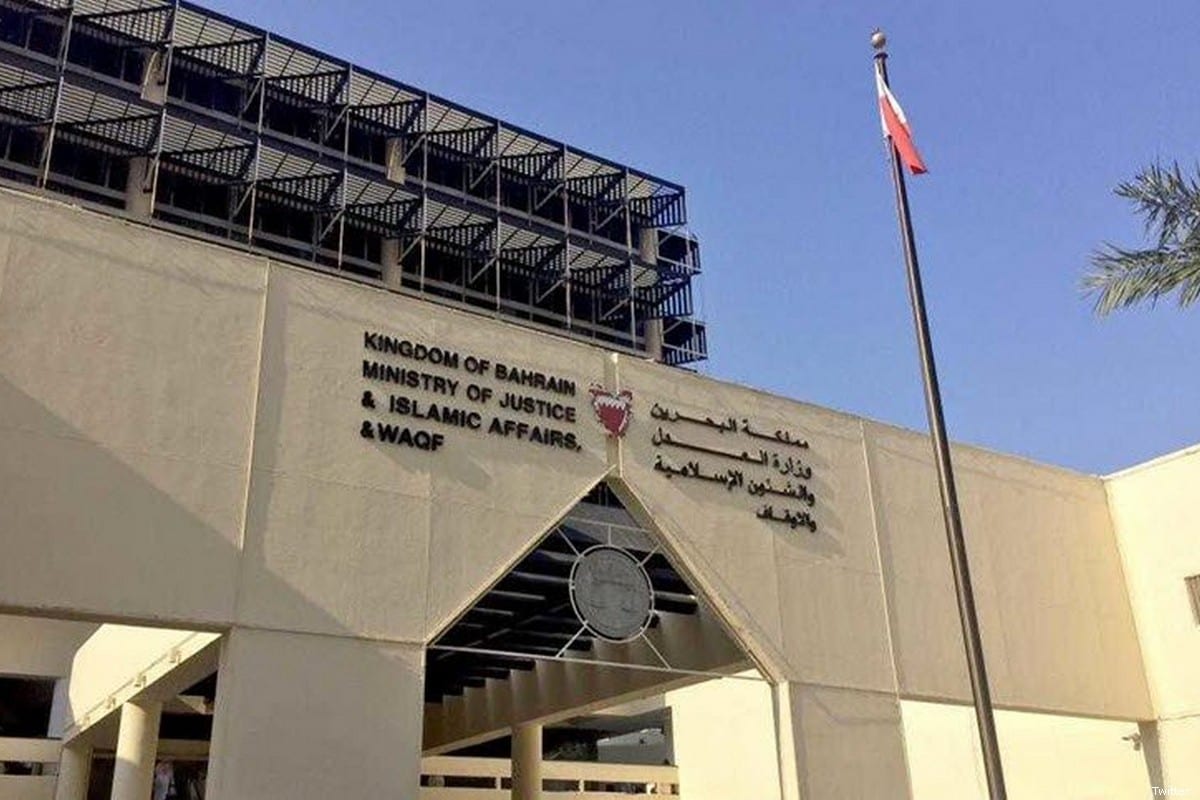
Bahrain’s upper legislative chamber has passed a set of legal reforms aimed at changing how the country handles cases involving minors.
The Shura Council voted in favor of updates to laws that could reduce the number of young people sent to prison and expand the use of non-custodial sentences. The changes now await final approval from King Hamad bin Isa Al Khalifa.
The updates affect two key laws—the 2021 Restorative Justice Law for Children and the 2017 Alternative Sentencing Law. Under the new amendments, judges will have more options beyond prison, including psychological counseling, restrictions on electronic devices, and mandatory reporting to authorities. These alternatives are designed to encourage rehabilitation and help minors reintegrate into society.
Young people found guilty of serious offenses could now be placed under home surveillance rather than behind bars. These cases will be monitored by the Child Protection Centre (CPC) alongside the Interior Ministry. Every six months, the courts will review the progress of each case and may modify the terms based on rehabilitation efforts.
The reforms also give more responsibility to the CPC in evaluating minors before sentencing and allow the Interior Ministry to request changes to a sentence at any time. Officials have described the changes as an effort to support child development and reduce long-term harm caused by incarceration.
Supporters within the Shura Council say the legislation is designed to maintain accountability while helping children turn their lives around. The goal is to create a justice system that looks at the root causes of crime among minors and focuses on solutions beyond punishment.
But the reforms come during a time of international concern over Bahrain’s treatment of child detainees. Human rights groups, including Human Rights Watch and Americans for Democracy & Human Rights in Bahrain, recently reported ongoing abuses involving minors—such as unlawful arrests, threats, physical violence, and denial of legal support.
Even after a royal pardon in April 2024 that freed several detainees, new arrests followed. Some children who had joined protests say they were mistreated, held for long periods without legal access, and threatened with sexual violence.
While the government presents the new legislation as a step toward a more humane justice system, critics argue that deep-rooted problems remain. Whether the changes lead to real protection for minors or simply remain on paper will depend on how they are enforced in the months ahead.