
Bangladesh’s caretaker government has officially ended a long-running rule that required women in public office to be addressed as “sir”.
The directive, seen by many as outdated, was introduced during the time of former Prime Minister Sheikh Hasina, who was removed from power last year.
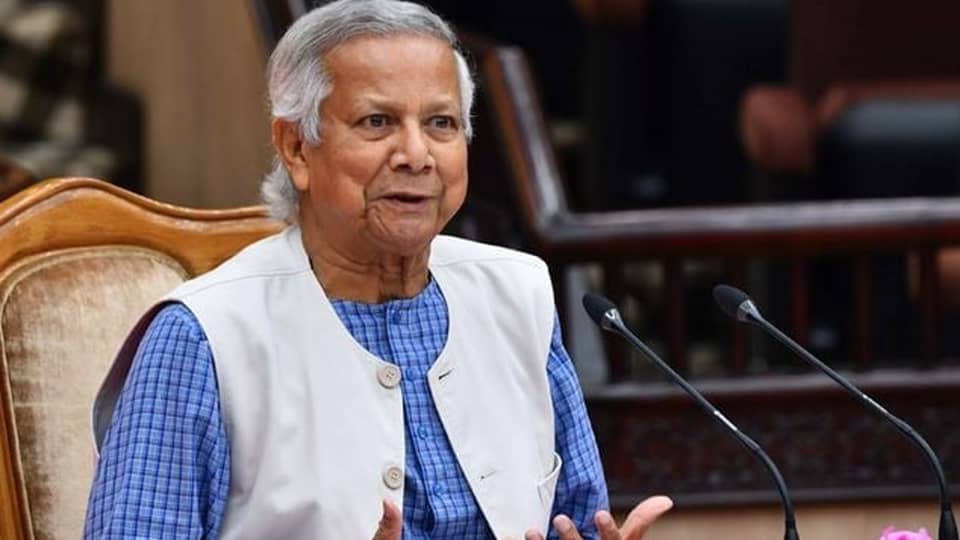
The interim government, led by Nobel Peace Prize laureate Muhammad Yunus, took charge after a student-led uprising forced Hasina to flee to India. Since then, the new administration has started reviewing protocols linked to the former leadership.
In a statement issued late Thursday, the press office confirmed that the rule asking officials to refer to women in authority using the male title has been cancelled.
It also noted that this practice started under Hasina’s government and had continued even after her departure.
A new committee has now been formed to review other formal codes and instructions from the previous government.
The goal is to align them with current standards while removing outdated customs.
Some officials claim the title was adopted during Hasina’s long term in office as a way to show respect or neutrality, though critics saw it as unusual and confusing.
Sheikh Hasina, now 77, remains outside the country and is currently facing legal charges at Bangladesh’s International Crimes Tribunal.
The charges relate to her alleged role in ordering a violent crackdown on protesters last year, which left an estimated 1,400 people dead between July and August 2024, according to UN reports.
Authorities say Hasina had overall responsibility for the actions taken during that period.