
Bolivia is preparing for a runoff election after nearly 20 years of dominance by the socialist MAS party, as preliminary results from Sunday’s vote show the country shifting toward a non-left president.
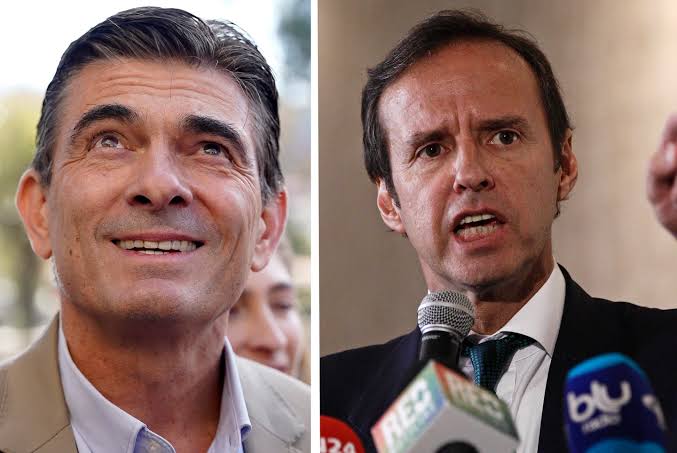
Senator Rodrigo Paz Pereira of the Christian Democratic Party led the first round, followed by former interim president Jorge Quiroga. Neither candidate secured enough votes to win outright, sending the contest to a second round in October.
The results came as a surprise, with polls having predicted businessman Samuel Doria Medina would lead.
Paz Pereira’s campaign centered on regional redistribution of state funds, tackling corruption, expanding access to credit, lowering taxes to encourage formal businesses, and removing import barriers for products Bolivia does not produce.
Quiroga, once vice president under former dictator-turned-elected leader Hugo Banzer, briefly served as president in 2001–2002.
Both contenders favor market-driven policies, a shift that could bring new support for foreign investment in Bolivia’s lithium reserves, critical for global battery production.
A government outside the left-wing bloc could also redirect foreign policy, strengthening ties with the United States after years of closer alignment with China, Russia, and Iran.
The election follows Bolivia’s worst economic downturn in years, with shortages of fuel, foreign reserves, food, rising debt, and high inflation fueling public frustration.
Current president Luis Arce declined to run again amid deep unpopularity.
The MAS party, fractured and unpopular, faced hostility at polling stations. Candidate Eduardo del Castillo was jeered while voting, and another contender, Andrónico Rodríguez, was pelted with stones.
An explosive device also went off near where Rodríguez cast his ballot, though no one was injured.
Ex-president Evo Morales, barred from running again, urged his supporters to spoil ballots. Once the dominant figure in Bolivian politics, Morales remains influential but deeply divisive, facing legal troubles and maintaining power bases outside official politics.
With the MAS weakened and voters demanding change, October’s runoff will determine Bolivia’s first non-left leader in two decades.