
By Matthew Onokpasa C.Eng., DFAI
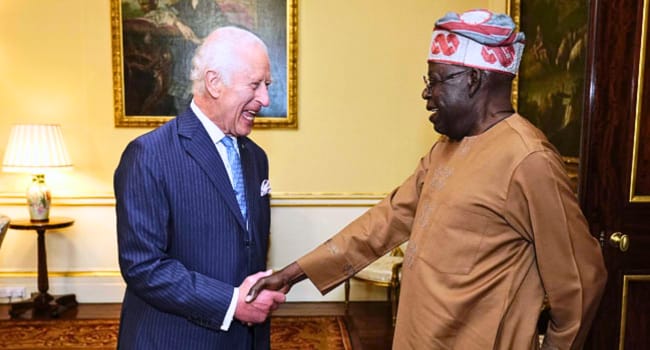
When I saw the headlines about President Tinubu’s red‑carpet welcome in the UK, I almost smiled. The photos were great: handshakes, fine suits, the King. And then came the announcement — a £746 million deal to refurbish two ports in Lagos. “A big win for Nigeria,” they said.
But something didn’t sit right. So I dug deeper. And honestly, what I found made my stomach turn.
Let me walk you through it, the way I’d explain it to my brother or my neighbour.
The Deal in Plain Language
A British bank is going to “lend” Nigeria £746 million. The UK government’s export credit agency guarantees that loan — meaning if Nigeria can’t pay back, the British taxpayer steps in. That sounds almost generous, right? Almost like they’re helping.
But here’s the catch.
The loan comes with a condition: at least 20% of the contracts — specifically, at least £236 million worth — must go to British companies. That includes £70 million that must be spent on British steel. It is the largest steel export that particular British company has ever made.
Do you see what just happened?
We borrow £746 million. Then we are forced to send at least £236 million of that borrowed money straight back to the UK — to pay their businesses, their workers, their steel plants. And we will be paying interest on the full amount for years to come.
This is not a partnership . It is a transaction. And we are the ones left holding the debt.
But Don’t We Need to Fix the Ports?
Yes. Apapa and Tin Can Island are a nightmare. I know drivers who spend days just trying to get a container out. Goods rot. Businesses bleed money. It is a genuine crisis and nobody is pretending otherwise.
But here is my question: why Lagos again?
We have ports in Warri, Koko, Port Harcourt, Calabar — gateways to the oil-rich South-South, the farming communities of the East, the trade routes to the North. Most of them are dying. Some are barely functioning. Instead of breathing life into those regions, we are borrowing foreign money to pile more activity into one congested city.
Imagine if a truck going from Calabar to Maiduguri did not have to pass through Apapa. Imagine if a farmer in the East could export directly through Port Harcourt. Imagine the jobs that would create — not in London, but in our own communities.
That is what balanced national development looks like. But that is not what this deal delivers.
Meanwhile, Our Lights Are Still Off
Let us be honest: even if these ports become world-class tomorrow, what good is a modern port when businesses cannot get reliable electricity?
Every day, Nigerian manufacturers shut down because diesel is too expensive. Small businesses run on generators that eat up their profits. Hospitals rely on flickering light. This is not normal. And it is not something we have to accept.
£746 million, if converted to naira and deployed strategically, could be the seed money to finally tackle our power crisis. It could help complete grid projects, unlock gas-to-power solutions, or support solar alternatives for rural communities.
Instead, we are signing up for another debt — one that will mostly pay for British steel and British jobs — while our own energy sector remains on life support.
I’ve Seen This Movie Before
What happens after the ports are refurbished? If history is any guide, “experts” will arrive from the UK. They will tell us we need to restructure, raise tariffs, or hand over management to foreign firms — probably the same ones that built the place. We will be advised on how to pay back the loan. And we will comply, because that is how tied loans work.
It is a script they have used across Africa for decades. Borrow money to buy our goods, then come back to “help” us manage the debt. The lender’s economy grows. The borrower stays dependent. We have read this chapter before.
So What Should We Do Instead?
I am not saying we should not fix our ports. We must. But we should do it on our terms.
• Use our own money. Nigerian pension funds and domestic investors are sitting on trillions of naira looking for safe, productive investments. Why not structure port rehabilitation as a local-currency project that keeps wealth at home?
• Demand local content. If we must take external financing, let it be structured to require Nigerian companies to do the work. Let it force genuine technology transfer. Not British steel — our steel.
• Spread the wealth. Develop Warri, Port Harcourt, Calabar. Stop the lip service – Decongest Lagos and open up other regions. That is how you create jobs across the country, not just in one corner of it.
• Fix the lights. Nothing — not ports, not factories, not small businesses — can thrive without reliable power. This should be our number-one national priority.
A Final Word
I am not against partnerships. I am not against foreign investment. But I am tired of seeing Nigeria celebrated for accepting deals that are designed to benefit others more than us.
We should look inward. We are a nation of hardworking, resilient people.
We deserve infrastructure that serves us, not just foreign balance sheets. We deserve leaders who ask the hard questions before signing on the dotted line.
So before we clap for the next “big win,” let us look closely. Who is lending? Who is building? Who is paying? And who is truly benefiting?
Our future depends on getting the answers right.
If this piece resonates with you, share it. Nigeria needs more citizens asking the right questions.
Matthew Onokpasa C.Eng., (Phd) is a development expert and public affairs analyst, writes from Delta state.