
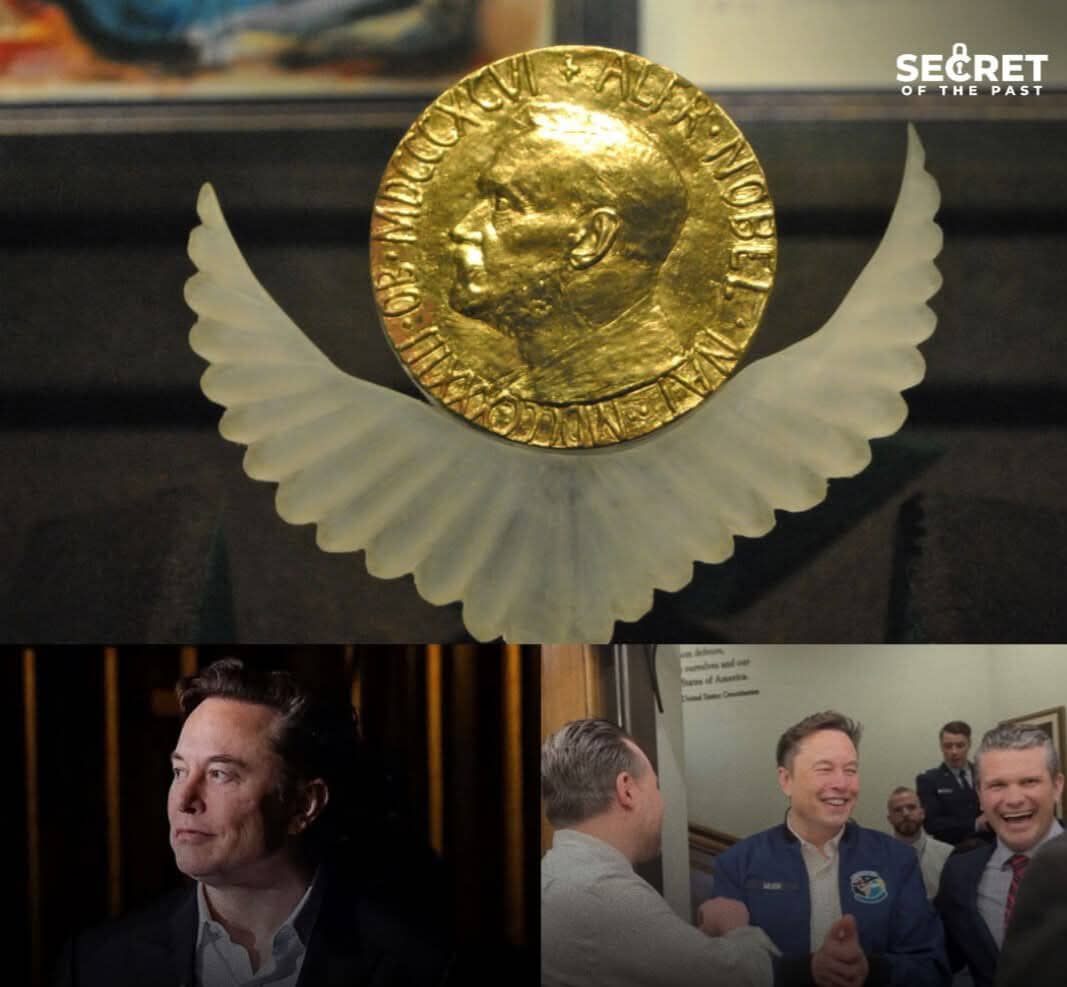
Elon Musk, the billionaire CEO of Tesla and SpaceX, has been nominated for the 2025 Nobel Peace Prize, sparking intense debate and discussion worldwide. The nomination, submitted by European Parliament member Branko Grims, recognizes Musk’s contributions to free speech and peace.
Musk’s efforts to promote free speech, particularly through his acquisition and management of Twitter (now X), have been cited as a key reason for the nomination. Grims praised Musk, saying, “The proposal that Mr. Elon Musk, for his consistent support for the fundamental human right of freedom of speech and thus for peace, receives the Nobel Peace Prize 2025, was successfully submitted today”.
However, Musk has declined the nomination, stating “I don’t want any prizes”. This response aligns with his previous stance on recognition, where he believes that actions speak louder than awards.
Controversies Surrounding the Nomination
The nomination has sparked controversy, with critics questioning whether Musk’s technological innovations and business practices make him worthy of the prestigious award. Some argue that his policies have led to an increase in misinformation, harassment, and hate speech on the platform.
Despite the criticism, supporters highlight Musk’s vision and execution as demonstrating leadership, ingenuity, and a commitment to solving humanity’s most pressing challenges. His work with Tesla and SpaceX has been instrumental in advancing sustainable energy and space exploration, initiatives that transcend national boundaries and contribute to long-term global stability.
What Others Are Saying
Malala Yousafzai, the youngest Nobel Peace Prize laureate, hasn’t publicly commented on Musk’s nomination specifically, but her past statements on the importance of education and innovation could be seen as aligning with the values Musk’s work embodies.
Professor Lena Østberg, a political scientist in Oslo, noted, “Love him or hate him, Musk has changed the conditions of human survival… Sometimes peace doesn’t come from saints — it comes from disruptors who force systems to adapt.”
The Nobel Peace Prize Selection Process
The Nobel Committee’s selection process is rigorous and meticulous, involving nominations from individuals such as members of national governments, university professors, and previous laureates. The committee screens nominations for eligibility and credibility, consulting with experts in relevant fields before making the final selections.
The Nobel Peace Prize will be officially awarded in October 2025, and the debate surrounding Musk’s nomination is expected to intensify in the coming months ¹ ² ³.