
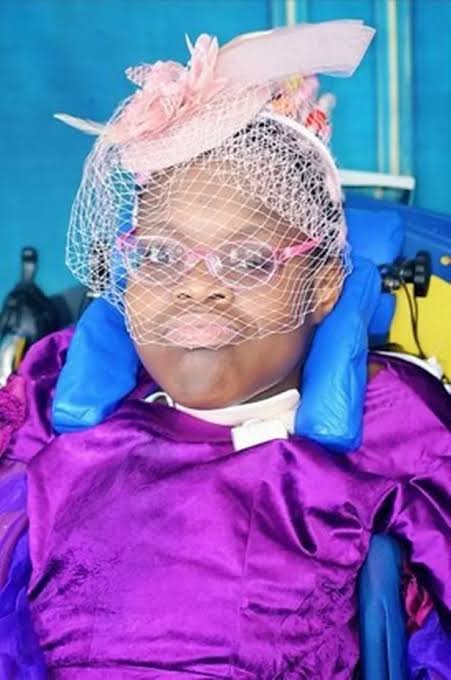
In Surrey, a leading rehab centre for disabled children reduced its frontline staff just weeks before a tragic death exposed serious care failures.
The Children’s Trust, which runs a major specialist unit at Tadworth Court, came under sharp criticism after a 12-year-old patient, Raihana Awolaja, died after being left unsupervised.
Raihana, who relied on a tracheostomy tube and required constant one-to-one care, was neglected when carers failed to observe her for about 15 minutes.
During this time, her breathing tube became blocked. Although she was rushed to hospital and given emergency treatment, she died three days later due to complications from oxygen deprivation.
Investigators found that she likely would still be alive if properly watched.
Her mother had long warned staff that her daughter was often left alone during visits. But those concerns were not addressed.
On the night of the incident, the main nurse left Raihana for administrative duties, relying on others—none of whom actually took over her care.
In the ensuing inquest, HM Senior Coroner Fiona Wilcox issued a “prevention of future deaths” report. She warned that children with serious disabilities might still be at risk if improvements were not made.
The coroner raised multiple concerns: that one-to-one care isn’t always delivered, that investigations after serious incidents are flawed, that failures in communication between staff and authorities occur, and that training gaps exist—especially when care tasks compete with paperwork.
The report ordered The Children’s Trust to respond in detail within 56 days—explaining steps taken or planned, with timelines—or justify why no action was taken.
Representatives for the family called the incident needless, pointing to widespread failures across professionals and agencies.
They said that despite the child’s access needs, her care was unsafe and unaddressed warnings led to her death.
In response, the Trust’s chief executive acknowledged that the standards of observation were too low and offered an unreserved apology.
He said the organisation is reviewing its practices, has already begun strengthening monitoring protocols, and has increased frontline staffing in partnership with regulators and health authorities.