
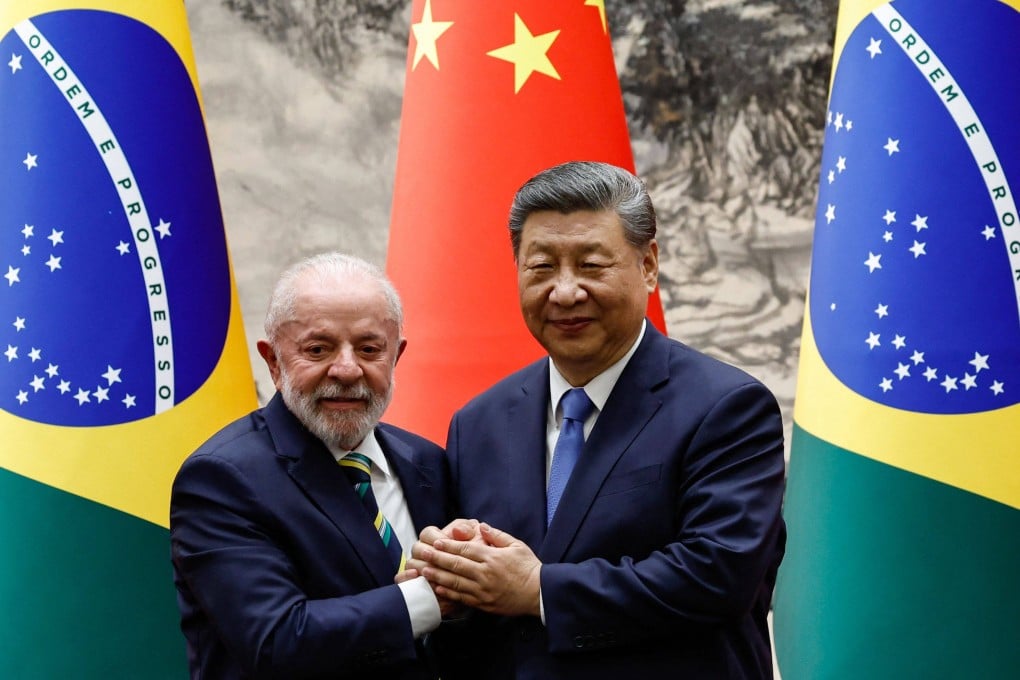
China and Brazil have renewed their alliance in support of global trade and cooperation during Brazilian President Luiz Inacio Lula da Silva’s visit to Beijing.
The meeting with Chinese President Xi Jinping resulted in 20 new agreements aimed at deepening economic ties and resisting growing protectionist trends in global markets.
The leaders met in the Chinese capital as part of Lula’s four-day state visit, which also included high-level forums with other Latin American and Caribbean leaders. Both countries stressed the need to stand together in the current global climate, which has been shaped by U.S. tariffs and rising trade uncertainty under President Donald Trump.
Among the signed deals were major new agricultural export agreements, allowing more Brazilian products to reach Chinese markets. These included eased restrictions on soybean shipments from previously suspended exporters. With China buying more than 60% of globally traded soybeans—and over 70% of its imports coming from Brazil—these agreements are expected to boost Brazil’s economy and strengthen its position as a top supplier.
Beyond agriculture, the two countries signed agreements covering mining, nuclear energy, and financial cooperation such as a currency swap deal. There were also announcements of increased Chinese investment in Brazil, with several companies unveiling multi-billion reais projects in sectors like electric vehicles, energy, and food products. Brazil’s trade promotion agency estimates that around 27 billion reais (roughly $4.8 billion) in new Chinese investment will flow into the country following this visit.
China and Brazil also voiced support for peace talks between Russia and Ukraine, urging both sides to begin direct negotiations soon. This joint statement reflects a shared desire among developing nations to play a greater role in resolving global conflicts through diplomacy rather than confrontation.
Lula’s visit comes months after a major upgrade in Brazil-China diplomatic ties, with both nations signing dozens of agreements last year on infrastructure, energy, and agribusiness. This latest meeting further signals Brazil’s intent to move closer to China, its top trading partner, while distancing itself from U.S.-led economic policies seen as unilateral and restrictive.
The two presidents are scheduled to meet again at the BRICS summit in Rio de Janeiro this July. Xi is also expected to travel to Brazil in November for the UN climate summit, which will host hundreds of Chinese business leaders.
As the world continues to navigate economic challenges and shifting alliances, the partnership between China and Brazil points to a growing push by emerging powers to shape a new path centered on mutual benefit, shared growth, and multipolar cooperation.