
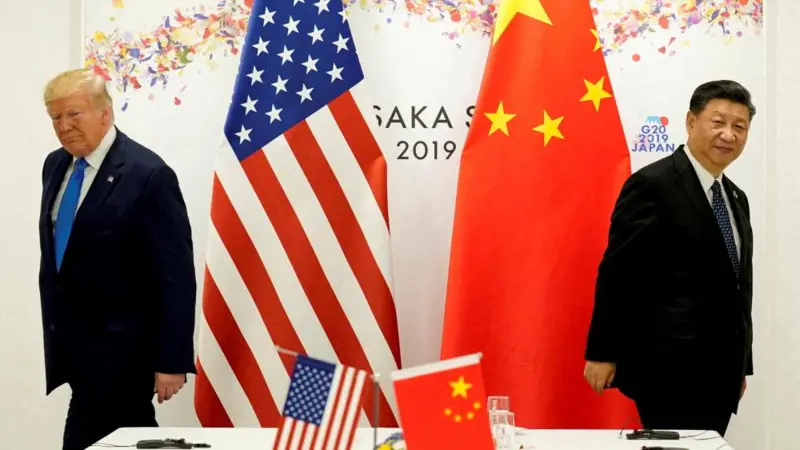
China has raised tariffs on American goods to 125 percent in a fresh move that intensifies the ongoing trade standoff with the United States.
The latest increase is a direct response to Washington’s own tariff hikes and follows months of tit-for-tat measures that have disrupted global trade flows and rattled financial markets.
The decision, which takes effect immediately, was announced by China’s Ministry of Finance. The new rate marks a sharp rise from the previously imposed 84 percent tariff, matching the current U.S. level on many Chinese exports. The escalation comes amid mounting tensions between the two economic giants, with both governments accusing each other of economic aggression and unfair practices.
The trade dispute began when the United States, under President Donald Trump, introduced sweeping global import taxes. Beijing was initially hit with a 34 percent tariff but retaliated with matching duties, sparking a series of tariff hikes on both sides. As of now, U.S. tariffs on some Chinese products have climbed as high as 145 percent, particularly on items linked to industries like pharmaceuticals, including fentanyl production.
China has described the U.S. actions as one-sided and unlawful, claiming they violate global trade rules. Officials in Beijing have labeled the tariffs as coercive and warned that these policies hurt not just China but the broader international economy. In turn, U.S. authorities accuse China of exploiting trade systems and failing to respect fair competition.
Chinese President Xi Jinping has urged European nations to stand with Beijing against what he describes as unfair U.S. practices. While expressing interest in resolving the dispute, President Trump has insisted that a deal is still possible and could benefit both countries. However, ongoing negotiations have yet to yield a breakthrough.
Meanwhile, the financial impact is spreading. Gold prices surged to record levels as investors moved to safe assets amid growing uncertainty. European markets opened on a positive note, but many Asian indices were down, reflecting concern over the expanding trade conflict.
Other countries are also being drawn into the trade storm. Taiwan, for example, is preparing for tariff talks with the United States after facing a 32 percent levy, later reduced to 10 percent during a temporary 90-day suspension. Taiwan’s government has promised to protect its industries during these discussions.
Global trade experts warn that the continued escalation could hurt economic growth, disrupt supply chains, and raise costs for consumers and businesses worldwide. For now, there appears to be no clear resolution in sight, with both sides digging in and preparing for a prolonged standoff.