
Chinese cement companies are turning their focus to Africa as they face slowing demand at home.
Leading firms like West China Cement and Huaxin are moving aggressively into the continent, setting up new plants and buying existing ones to tap into Africa’s growing construction market.
This shift comes as China, the world’s largest cement producer, struggles with a cooling real estate sector and tighter environmental rules that have reduced domestic consumption. With fewer large-scale infrastructure projects within China, cement manufacturers are now seeking fresh opportunities beyond their borders.
Africa, in contrast, is experiencing rising urban development and infrastructure expansion. Roads, bridges, housing, and industrial projects are on the rise, creating a strong appetite for building materials. This growing demand has made the region a key target for global cement players, especially those in China who are now facing an oversupply problem at home.
To establish a foothold, Chinese companies are pursuing a mix of strategies. Some are building new plants from the ground up, while others are buying stakes in existing African cement firms. These deals allow them to quickly enter local markets, sidestep regulatory delays, and leverage existing distribution networks.
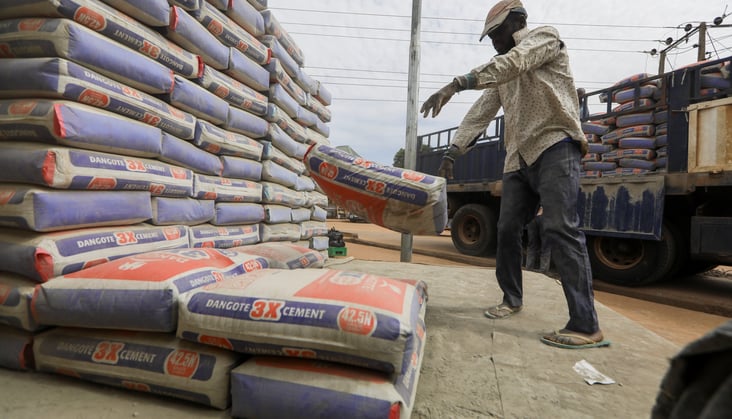
This push into Africa puts Chinese firms in direct competition with established players like Nigeria’s Dangote Cement and South Africa’s PPC. Both companies have long dominated the African market, but they now face growing pressure from new entrants with deep pockets and global supply chains.
Chinese cement makers are also bringing in technology and operational models that promise to lower production costs, a major advantage in price-sensitive markets. In some regions, they are offering cheaper cement than local producers, forcing African companies to rethink their pricing and distribution strategies.
However, the rapid entry of Chinese firms has raised concerns in some quarters. Local industry experts warn that increased foreign control could impact market stability, reduce competition, and make local firms more vulnerable. Governments are now weighing how to balance foreign investment with support for homegrown businesses.
Despite these concerns, African countries have largely welcomed the investment. The cement sector is critical for economic development, and new plants mean more jobs, improved infrastructure, and lower construction costs. For many nations, the arrival of Chinese companies is seen as a chance to accelerate development goals.
With Africa’s population expected to double by 2050 and urbanization continuing at a fast pace, demand for cement is likely to keep rising. For Chinese companies looking to escape stagnant conditions at home, Africa offers a fresh start—and a fierce new battleground.