
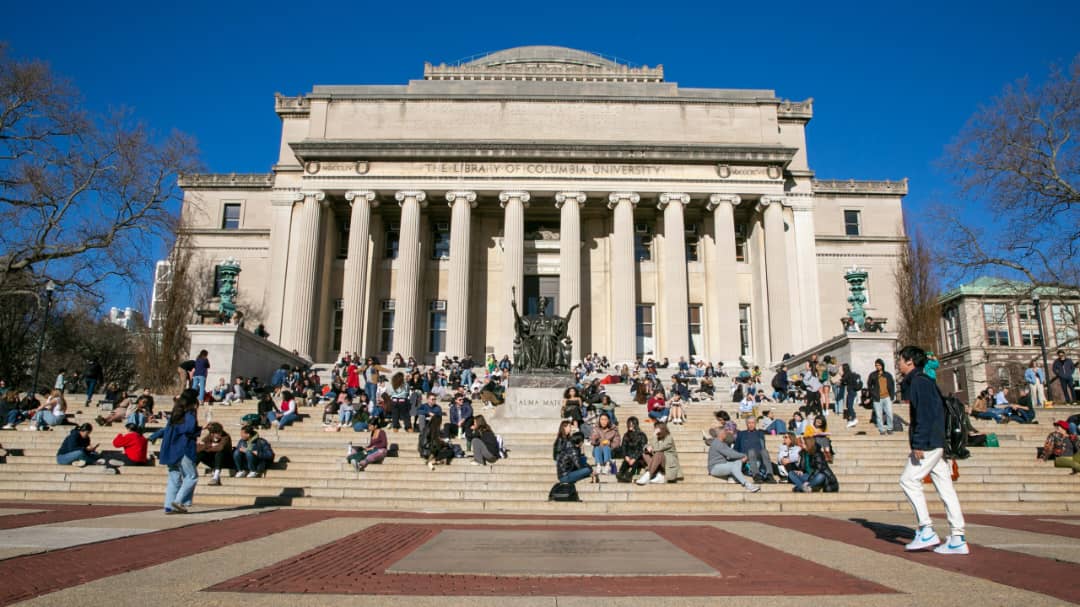
Columbia University has agreed to pay $221 million to resolve claims brought by the Trump administration that it failed to take proper action against antisemitism on its campus.
The settlement allows the New York-based university to regain access to billions of dollars in current and future federal funding, much of which had been frozen during the investigation.
Under the agreement, Columbia will pay $200 million over three years to the federal government, along with an additional $21 million to settle allegations brought by the Equal Employment Opportunity Commission.
These developments follow months of scrutiny over how the university handled student protests and campus safety related to Israel’s war in Gaza.
The university confirmed that it will move forward with previously announced changes aimed at improving campus safety and student support.
These include hiring additional security personnel, adjusting disciplinary procedures, and promoting a more respectful environment for all students.
As part of the deal, Columbia also agreed to maintain admissions based on merit and to discontinue programs that were seen as promoting race-based quotas or diversity goals not allowed by law.
Despite settling, Columbia stated it does not agree with the findings that it violated civil rights law but acknowledged the campus had experienced serious challenges regarding antisemitism.
The controversy comes after widespread demonstrations in spring and summer 2024, where students protested against Israel’s actions in Gaza.
While some Jewish students reported feeling threatened during these protests, many pro-Palestinian activists argued their cause was being unfairly linked to antisemitism.
Recently, Columbia’s Judicial Board finalized disciplinary actions against students involved in a sit-in at the main library and an earlier encampment protest.
Nearly 80 students have been suspended or expelled for up to three years, a level of punishment critics say is harsher than in past protests unrelated to Palestine.
Student activist group Columbia University Apartheid Divest criticized the settlement, calling it a betrayal of the student body in exchange for government funding.